Key Takeaways
- Sustainable design integrates eco-friendly materials and energy-efficient technologies into modern apartments.
- Features like biophilic design and smart home systems contribute to both environmental sustainability and resident well-being.
- Adaptive reuse of historic buildings preserves cultural heritage while promoting sustainable urban development.
As cities expand and priorities shift towards environmental responsibility, sustainable design is redefining how we shape and experience urban living spaces. Innovative approaches are integrating eco-conscious practices into both luxury and everyday apartments, striking a balance between modern aesthetics and reduced environmental impact. For instance, thoughtfully designed communities like Griffis Fitzsimons South Apartments offer residents the opportunity to enjoy modern comforts within eco-friendly frameworks.
Choosing an apartment that embodies sustainable principles helps lower utility usage, encourages well-being, and creates healthier living environments for residents of all ages. By embracing green materials, intelligent technologies, and designs that work in harmony with nature, modern apartment complexes lead the way in responsible urban development.
Eco-Friendly Materials in Apartment Construction
Modern apartment buildings increasingly rely on sustainable materials like cross-laminated timber (CLT), recycled steel, and reclaimed wood. Such materials are not only gentler on the environment but also offer durability and unique visual appeal. Innovations showcased by projects like the SARAH initiative in France—utilizing compressed earth blocks and straw bales—demonstrate that natural construction can succeed on a large scale, matching urban growth with ecological preservation.
Energy-Efficient Technologies Enhancing Sustainability
One of the most effective methods for greening modern apartments lies in adopting energy-efficient technologies. High-performance insulation helps maintain indoor temperatures more consistently, reducing the strain on heating and cooling systems throughout the year. Similarly, advanced window designs, including double or triple glazing, low-emissivity coatings, and insulated frames, prevent energy loss while still allowing natural light to filter in. Pairing these with state-of-the-art LED lighting, which consumes a fraction of the energy used by traditional bulbs, creates a home environment that prioritizes comfort and sustainability without sacrificing style or functionality.
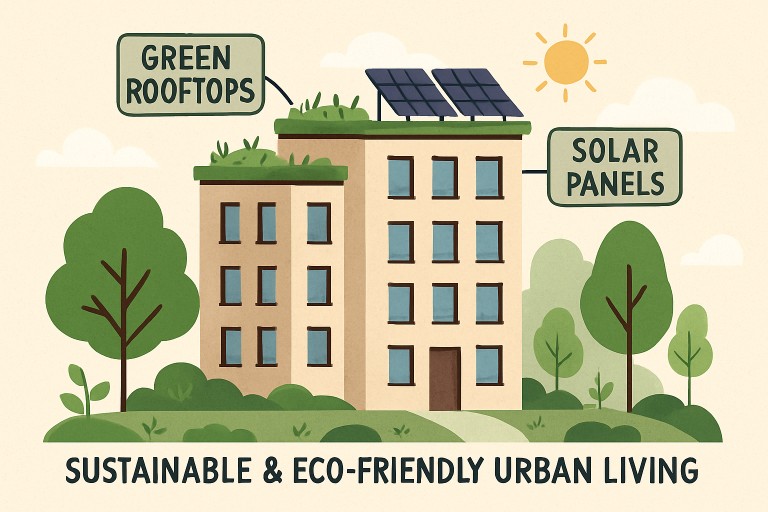
Beyond these foundational upgrades, many apartment communities are increasingly turning to renewable energy to enhance their environmental impact further. Rooftop solar panels are becoming a common feature, offering residents access to clean, self-generated power while lowering long-term utility expenses. In some cases, properties also integrate smart energy management systems, which track and optimize consumption in real time, ensuring efficiency across every unit. Together, these innovations not only reduce energy bills and carbon footprints but also contribute to healthier, more resilient living spaces that align with the growing demand for sustainable urban development.
Biophilic Design: Connecting Residents with Nature
By incorporating elements of the natural world into residential interiors, biophilic design fosters a strong connection between residents and their surroundings. Features such as living green walls, expansive windows, and indoor gardens aren’t just for visual enjoyment—they have measurable benefits on emotional and mental health. Frequent contact with greenery can enhance mood and reduce stress, making this design approach highly beneficial for urban dwellers.
Smart Home Integration for Sustainable Living
The adoption of smart home systems empowers residents to achieve sustainability without sacrificing modern conveniences. Home automation solutions adjust lighting, heating, and cooling based on occupancy or user preferences, significantly reducing waste. Smart thermostats, energy-efficient appliances, and intelligent controls transform daily living into a more conscious and cost-effective experience.
Beyond energy savings, these technologies enhance quality of life by offering personalization and convenience. Voice-activated assistants, predictive learning systems, and smartphone-controlled devices allow residents to manage their homes with ease while promoting efficiency. When applied across entire apartment communities, shared systems such as centralized HVAC or renewable energy storage amplify these benefits, making sustainable living both scalable and attainable.
Water Conservation Strategies
Effective management of water resources is fundamental to any sustainable apartment community. Low-flow plumbing fixtures, efficient irrigation, and rainwater harvesting systems significantly curb water usage while still supporting modern amenities. Cities that face drought conditions have already demonstrated how multifamily housing can benefit from such forward-thinking measures.
These conservation methods not only cut costs but also enhance resilience against climate-related stress. Incorporating green roofs, permeable pavements, and stormwater capture systems further reduces strain on urban infrastructure while promoting healthier ecosystems. For renters, visible water-saving initiatives demonstrate a property’s commitment to environmental responsibility, making it an attractive choice for sustainability-minded residents.
Sustainability Certifications and Standards
The pursuit of widely recognized certifications signals a property’s genuine commitment to eco-friendly operations. These standards promote better construction practices, enhanced energy efficiency, and improved maintenance accountability, ensuring that properties minimize their environmental impact. More developments are striving toward these benchmarks, showing how sustainability continues to grow as a defining feature of modern housing.
Certification frameworks also provide valuable transparency for both developers and residents. Programs that emphasize energy efficiency, indoor air quality, and overall wellness create a holistic approach to sustainable living. For tenants, these designations instill confidence that their homes align with their environmental values, while for property owners, certifications enhance market appeal and protect long-term investments.
Conclusion
The integration of eco-friendly materials, advanced energy technologies, biophilic design, and historic adaptive reuse is fundamentally reshaping apartment living. Residents are reaping the rewards through improved health, lower utility costs, and a deeper connection to both their heritage and the natural world. As more developments strive for sustainability certifications and embrace conservation strategies, modern apartments are set to become the blueprint for future-ready, responsible urban living.