The quest for youthful, glowing skin has led to major advancements in skincare and aesthetic treatments. Amongst these, platelet rich plasma injections (PRP) have emerged as a revolutionary technique, harnessing the body’s own healing powers to rejuvenate the skin. By utilising growth factors found in a person’s own blood, PRP injections have gained prominence for their natural approach to skin regeneration without the need for invasive surgery or foreign substances.
The Science Behind PRP
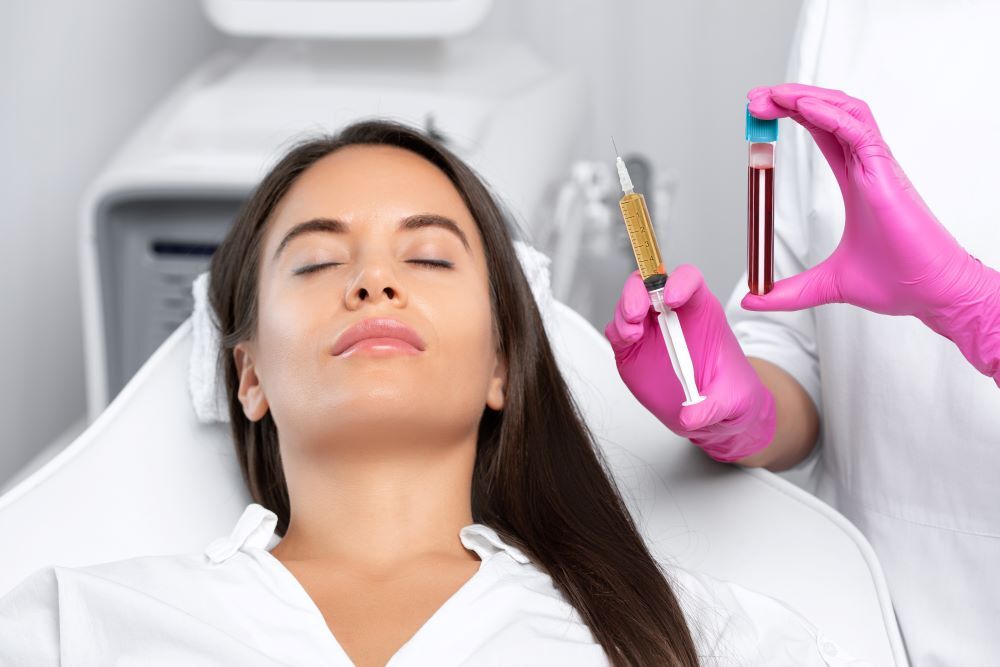
Platelet rich plasma therapy involves the extraction of plasma from an individual’s blood, which is then enriched with a higher concentration of platelets – the component of blood that facilitates clotting and, crucially, contains growth factors that promote healing and tissue regeneration. The concentrated plasma is then injected back into the individual’s skin, where it triggers the natural healing process and stimulates the production of collagen and elastin.
The PRP Procedure Explained
The PRP process begins with a blood draw, typically from the patient’s arm. The blood is then placed in a centrifuge where it’s spun at high speed to separate the red blood cells from the plasma and concentrate the platelets. The resulting platelet rich plasma is prepared for injection into the targeted areas of the face or body to encourage skin regeneration and repair.
Targeting the Signs of Ageing
Ageing skin manifests itself through wrinkles, sagging, and a loss of elasticity and firmness. PRP injections are specifically designed to address these concerns by stimulating the dermis layer of the skin to regenerate and repair itself. This in turn leads to smoother, firmer skin and a reduction in the appearance of fine lines and wrinkles.
Addressing Acne Scars and Pigmentation
Beyond just the signs of ageing, PRP also shows impressive results in the treatment of acne scars and pigmentation. The growth factors released by the platelets can aid in the healing of scars, while also improving skin texture and tone. This dual-action approach makes PRP a versatile treatment for a variety of skin concerns.
The Benefits of PRP for the Skin
One of the most significant benefits of PRP is its natural and holistic nature. Since patients are treated with their own biological material, there is minimal risk of allergic reaction or rejection. Additionally, the procedure is minimally invasive and can be completed within an hour, making it a convenient choice for those with busy lifestyles.
Longevity and Effectiveness of PRP
The effects of PRP are not just swift but also enduring. Improvements in skin texture and elasticity become noticeable within a few weeks, and these results can last for up to a year or more, depending on the individual’s skin condition and the number of treatments undergone.
Customisable and Combined Treatments
PRP therapy is highly adaptable and can be easily tailored to the specific needs of each individual. It can be used in isolation or as part of a comprehensive skin care regime, and it’s often combined with other aesthetic treatments, such as microneedling or laser therapy, for augmented results.
Is PRP Suitable for Everyone?
While PRP therapy is broadly suitable, it’s essential for individuals to consult with a certified professional to assess their suitability and discuss potential risks or contraindications, such as underlying health conditions or medications that might affect the treatment’s efficacy or safety.
Realistic Expectations and Patient Experience
Setting realistic expectations is crucial when opting for any cosmetic treatment. PRP offers noticeable improvements, but it’s not a miracle cure-all. The overall patient experience will vary, with some experiencing mild discomfort and redness post-procedure, though these side effects typically subside within a day or two.
The Importance of Choosing Qualified Practitioners
For those considering PRP, it’s imperative to choose a clinic and practitioner that not only have a strong reputation but also strictly adhere to safety standards and protocols. Proper handling of blood products and the usage of sterile equipment are non-negotiable practices to ensure a safe and effective treatment.
PRP Beyond Aesthetics
Aside from its cosmetic applications, PRP has found use in medical treatments, aiding in the healing of injuries and the treatment of certain orthopaedic conditions. Its regenerative properties have made it a valuable tool in various therapeutic contexts.
Skin Care After PRP Treatments
Post-PRP treatment, a tailored skincare regimen is recommended to augment and prolong the benefits of the procedure. Hydration, sun protection, and the use of specific products that support skin healing can enhance the results attained through PRP therapy.
Conclusion
The use of platelet rich plasma injections PRP represents an innovative approach in the pursuit of youthful, vibrant skin. By leveraging the body’s own regenerative powers, PRP stands at the forefront of regenerative skincare, offering a natural solution to those seeking to turn back the clock on their skin’s appearance without undergoing invasive treatments. As the field of aesthetic medicine continues to evolve, PRP offers a glimpse into the future of skin rejuvenation, grounded in the safety and comfort of nature’s own healing mechanisms.