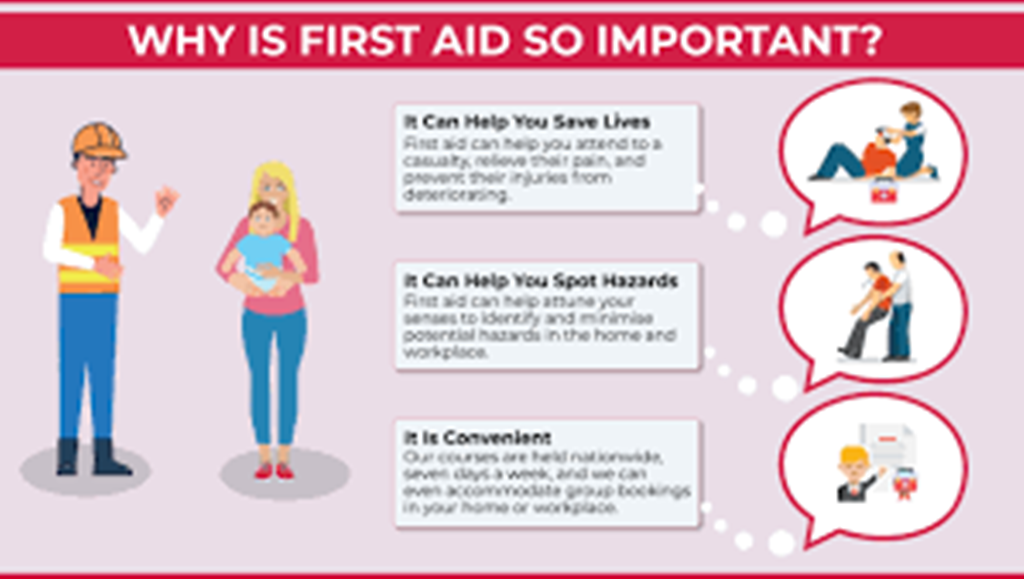
In emergency situations, timing can be just as critical as the actions taken. A response that is correct but delayed may lose its effectiveness, while a timely response—even with limited resources—can stabilize a situation and prevent serious harm. First aid is not only about knowing what to do, but also understanding when to do it. The moments immediately following an injury or medical emergency often determine the outcome. In emergencies, time is a resource that cannot be recovered once lost.
The First Minutes Set the Direction
The body responds rapidly to trauma, illness, or sudden medical events. Without timely support, small issues can escalate into severe complications.
Early moments matter because:
- Oxygen deprivation affects the brain quickly
- Uncontrolled bleeding worsens rapidly
- Shock can develop before symptoms are obvious
- Delayed care increases recovery time
The first few minutes often shape everything that follows.
Why Delayed Response Increases Risk
Even short delays can significantly affect outcomes. Waiting too long to assess or act may allow conditions to worsen beyond easy control.
Delays can lead to:
- Increased tissue damage
- Loss of consciousness
- Escalation of pain or distress
- Reduced effectiveness of later treatment
Timely action limits damage and preserves stability.
Early Recognition Saves Time
One of the most important aspects of timing is recognizing an emergency early. Many emergencies begin subtly before becoming obvious.
Early recognition includes:
- Noticing changes in behavior or alertness
- Identifying abnormal breathing
- Recognizing sudden weakness or confusion
- Observing visible injuries
Recognizing problems early creates more time to respond safely.
The Balance Between Speed and Safety
Acting quickly does not mean acting recklessly. Effective timing balances urgency with thoughtful assessment.
Good timing involves:
- Acting decisively after quick evaluation
- Avoiding unnecessary delays
- Not rushing into unsafe actions
- Prioritizing the most serious risks first
Speed improves outcomes when guided by awareness.
How the Body Responds Over Time
The body’s condition changes as time passes during an emergency. What may appear manageable initially can worsen quickly without intervention.
Over time:
- Blood loss compounds
- Breathing becomes more difficult
- Pain intensifies
- Shock may develop
Early first aid interrupts these processes before they escalate.
Timing and Breathing Emergencies
Breathing-related emergencies require especially fast response. Oxygen deprivation affects the brain within minutes.
Timely response matters because:
- Brain damage risk increases rapidly
- Panic worsens breathing difficulty
- Fatigue sets in quickly
- Recovery becomes harder with delay
Quick support stabilizes breathing and reduces risk.
Why Bleeding Control Is Time-Sensitive
Uncontrolled bleeding is one of the most time-critical emergencies. Even moderate bleeding can become life-threatening if not addressed promptly.
Timing matters because:
- Blood loss compounds quickly
- Shock can develop silently
- Delayed control increases complications
- Early pressure significantly improves outcomes
Immediate action saves lives.
Timing in Falls and Impact Injuries
Falls often appear minor at first, but symptoms can develop over time. Timely assessment helps detect serious injuries early.
Early response helps by:
- Identifying head or spinal injury signs
- Preventing unnecessary movement
- Monitoring for delayed symptoms
- Reducing long-term damage
Waiting too long may hide serious conditions.
The Role of Timing in Medical Emergencies
Medical emergencies such as fainting, seizures, or sudden illness evolve quickly. Early support improves stability.
Timing affects:
- Recovery speed
- Severity of symptoms
- Risk of recurrence
- Need for advanced care
Prompt response often prevents escalation.
When Waiting Is the Right Choice
Timing also involves knowing when not to act immediately. Some situations require monitoring rather than intervention.
Waiting is appropriate when:
- Movement could worsen injury
- The person is stable and alert
- Professional help is already en route
- The risk of action outweighs benefit
Good timing includes restraint when necessary.
How Panic Affects Timing
Panic often causes hesitation or impulsive actions, both of which affect timing negatively.
Panic can:
- Delay decision-making
- Cause rushed mistakes
- Increase confusion
- Spread to others
Prepared individuals manage emotions and respond more efficiently.
Why Preparation Improves Timing
Preparedness shortens reaction time. When people know what to look for and how to respond, they act faster and more confidently.
Preparation supports:
- Faster recognition
- Reduced hesitation
- Clearer priorities
- Better coordination
Prepared responders use time more effectively.
The Importance of Ongoing Awareness
Emergency response timing improves with regular awareness and reinforcement. Skills fade without use.
Ongoing awareness ensures:
- Quicker recall of steps
- Confidence under pressure
- Accurate actions
- Reduced response delays
Preparedness keeps timing sharp.
Timing and Communication
Clear communication saves time during emergencies. Confusion wastes valuable moments.
Effective communication:
- Speeds coordination
- Reduces misunderstandings
- Helps gather critical information
- Supports faster professional response
Clear words preserve precious seconds.
Why Communities Benefit From Faster Responses
When more people understand the importance of timing, communities become safer.
Faster response leads to:
- Reduced injury severity
- Better outcomes before help arrives
- Less strain on emergency services
- Increased collective safety
Timing is a shared responsibility.
Learning From Past Emergencies
Reflection improves timing in future situations. Understanding what caused delays helps refine response.
Learning involves:
- Reviewing response speed
- Identifying hesitation points
- Improving awareness
- Strengthening preparedness
Each experience builds faster response skills.
Timing Is Not About Perfection
First aid timing does not require perfect action—only timely, reasonable action. Even small steps taken early matter.
Timely actions:
- Stabilize conditions
- Reduce fear
- Buy time for professionals
- Improve recovery chances
Doing something appropriate early is better than doing nothing.
Conclusion
Timing plays a crucial role in first aid and emergency response. Early recognition, prompt assessment, and timely action can prevent conditions from worsening and significantly improve outcomes. Whether controlling bleeding, supporting breathing, or recognizing when to wait, understanding the importance of timing guides safer decisions. With awareness and confidence developed through first aid cpr courses, individuals respond more efficiently when emergencies occur. In first aid, the right action at the right moment can make the difference between escalation and recovery.