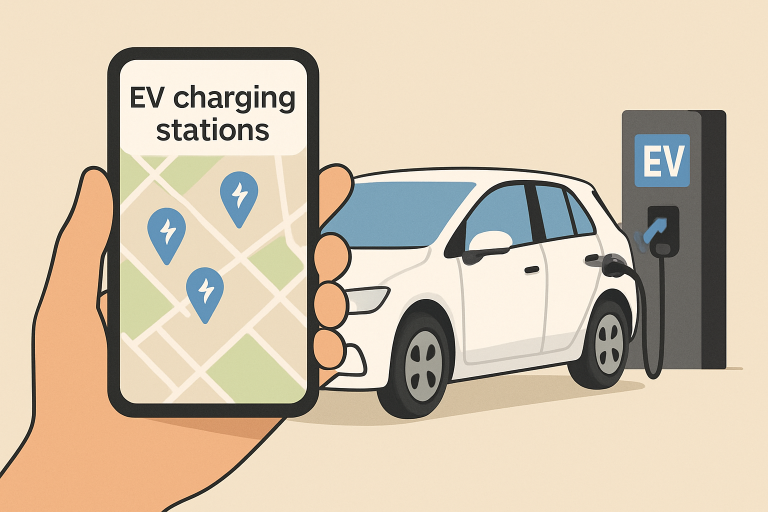
The electric vehicle (EV) revolution is underway, reshaping how we think about transportation, energy, and convenience. Central to this transformation are mobile applications, serving as the digital bridge between drivers and an ever-growing network of charging infrastructure. These apps are simplifying the charging process, reducing barriers to adoption, and enhancing the overall EV ownership experience. In this rapidly evolving landscape, tools like the https://blinkcharging.com/products/blink-app are proving themselves indispensable, helping drivers locate available charging stations, manage payments, and even schedule charging directly from their smartphones.
Electric vehicle charging apps not only make it easier for users to find and use charging stations, but they also play a critical role in integrating EVs with smart mobility trends and the broader energy grid. By centralizing important features and data, these apps provide transparency, convenience, and control, empowering users to maximize the benefits of cleaner, electrified transport.
Enhancing User Experience Through Real-Time Information
At the heart of a positive EV experience is the ability to quickly find a compatible, available charging station. Leading apps harness both network and user-generated data to provide real-time maps of charging points, complete with details on station status, connector type, and power output. This aggregation of information dramatically reduces range anxiety, a major hurdle for many prospective EV owners, by enabling more confident trip planning and spontaneous travel.
Real-time data is especially valuable during peak travel periods or in high-density areas where charger demand is high. Accessible, up-to-date station information means drivers can avoid unnecessary detours and wait times, making EVs even more practical for daily use and long road trips.
Seamless Payment Integration
Another core feature driving the widespread adoption of EVs is the integration of digital payment options within charging apps. Traditionally, using different charging networks required multiple membership cards or physical payments, complicating an otherwise seamless technology. Now, digital-first solutions allow users to start and stop charging sessions, review transaction records, and handle billing directly via the app.
Reports indicate the EV charging app market is poised for exponential growth, with projections valuing it at USD 137.77 billion by 2031, driven by increasing demand for digital mobility and smart energy solutions. This streamlining of payment systems not only improves convenience for individual drivers but also enables more efficient, automated, and scalable management of charging infrastructure.
Personalized Charging Schedules
Optimizing charging times is also critical for cost savings and grid reliability. Some apps let users schedule their vehicle’s charging during off-peak hours, when electricity rates are lower and renewable energy levels on the grid may be higher. This supports both wallet-friendly charging and smarter energy consumption, contributing to a more resilient, sustainable power network.
Personalized scheduling functionalities empower drivers to adapt their charging routine to their unique needs, whether it’s overnight charging at home or automatically adjusting sessions while at work or shopping. This level of customization enhances the flexibility and efficiency of EV ownership.
Integration with Vehicle Systems
Automakers are strengthening the bridge between EVs and charging infrastructure through direct app-to-vehicle integration. For example, Rivian’s partnership with Google Maps brings advanced navigation and real-time traffic updates straight to the dashboard. This not only streamlines the process of finding optimal routes and charging stops but also leverages dynamic rerouting and rich place information, including hours, user reviews, photos, and contact details, all within the vehicle’s navigation system.
These integrations provide drivers with an efficient, visually updated interface that encourages exploration and optimizes every journey, helping to close the gap between traditional gasoline refueling and the new norms of electric charging.
Community Engagement and Feedback
Community-driven platforms are pivotal in maintaining and improving the quality of public charging infrastructure. Apps allow users to leave detailed reviews, rate charging stations, and report issues as they arise. This feedback loop is instrumental in flagging faulty or poorly maintained sites, enabling service providers to respond quickly to issues and maintain high service standards.
By enabling transparent, two-way communication, these platforms foster trust and cooperation among users, operators, and manufacturers, accelerating the broader adoption of EV technology.
Addressing User Dissatisfaction
Despite remarkable progress, some EV owners remain frustrated with app performance. A recent J.D. Power study highlights that while overall usage of charging apps is increasing, users often call for improvements in app speed, stability, and ease of use. Inconsistent experiences across different EV brands and charging networks can create confusion or inconvenience, emphasizing an urgent need for continuous improvements in digital tools and customer support.
Automakers and app developers are taking notice, ramping up efforts to provide more seamless, responsive solutions to meet evolving consumer expectations and industry standards.
Future Prospects and Innovations
The future of mobile apps in the EV ecosystem is rich with potential. Innovations on the horizon include voice-activated commands, custom user settings, enhanced energy usage analytics, and remote integration with smart home systems. As artificial intelligence becomes more prevalent, predictive algorithms could help users optimize routes and charging stops based on driving habits, weather conditions, and real-time traffic.
Furthermore, collaborative partnerships among automakers, technology companies, and energy providers are poised to unlock even greater efficiencies, driving mass-market adoption and addressing current limitations in charging network scalability and geographic reach.
Final Thoughts
Mobile applications are now a central pillar in the EV charging ecosystem. From delivering real-time station data to integrating seamless payments, personalizing user experiences, and driving community engagement, these tools are redefining convenience and reliability for today’s, and tomorrow’s- EV drivers. As the technology continues to advance and mature, the future of electric mobility promises even greater integration, accessibility, and ease of use for all.