Key Takeaways
- Regular inspections and maintenance are crucial in preventing water damage.
- Installing smart leak detection systems can provide early warnings.
- Proper landscaping and drainage help direct water away from the home.
- Understanding insurance coverage is essential for comprehensive protection.
Water damage is a costly and destructive issue for countless homeowners, frequently occurring when least expected. The financial toll of repairs and potential hazards such as mold make water intrusion a top concern for property owners. Understanding how to prevent water damage and acting before it strikes is essential. Whether you’re performing routine maintenance or responding to an emergency, professional emergency water restoration can be crucial in protecting your investment and your safety.
To protect your home from water intrusion, it’s essential to implement proactive strategies, including regular inspections and the use of innovative technologies to detect issues early. Staying vigilant about vulnerabilities, such as aging appliances and leaky roofs, is crucial, as neglecting minor issues can lead to costly damage later. Many water damage issues develop slowly and may only be noticeable after significant harm has occurred.
One of the most significant mistakes homeowners make is underestimating the urgency of repairs. Failing to address leaks or water damage in a timely manner can result in structural harm, mold growth, and health risks. Understanding the importance of timely water restoration can save both your property and your wallet in the long run. Regularly educating yourself about the signs of water damage and the latest restoration techniques can further minimize risks. Partnering with experienced professionals ensures that repairs are thorough and compliant with safety standards. Ultimately, a proactive approach to water management not only preserves your home’s value but also provides peace of mind for you and your family.
Regular Inspections and Maintenance
Routine inspections play a vital role in preventing water damage. At least once a month, check the visible plumbing under sinks, around water heaters, and behind appliances. Look for small leaks, discoloration, warping, or smells that suggest moisture. Don’t forget hidden areas like your attic or basement, which are often early points of water entry. By identifying issues promptly, you can schedule necessary repairs before they grow into major problems.
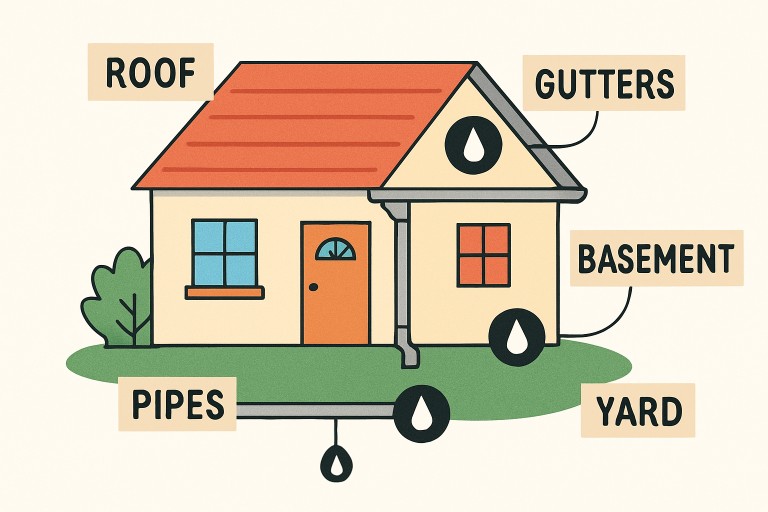
Beyond plumbing, review your roof and attic for missing shingles, soft or discolored patches, or clogged gutters that could cause backup and leaks. Similarly, check your windows and doors during heavy storms for water entry and seal any gaps. Routine maintenance tasks, such as clearing gutters or testing sump pumps, can also prevent water from infiltrating your foundation.
Keeping your home’s plumbing and drainage systems in good working order can significantly reduce the risk of major losses.
Installing Smart Leak Detection Systems
Technology has provided new tools to minimize water damage threats. Smart leak detection devices monitor water flow and can identify irregular activity, such as a sudden spike that signals a leak or burst pipe. Devices range from standalone alarms positioned near risk zones to more advanced systems that automatically shut off water at the main supply line. Some systems send instant alerts to your phone, allowing immediate action even if you’re away.
These sensors are particularly important for second homes, rental properties, or vacation homes that are not always occupied. They are also instrumental in preventing slow, undetected leaks under floors or within walls, stopping problems before extensive damage occurs. For homeowners eager to embrace the latest technology, the New York Times Wirecutter’s review of smart water leak detectors offers valuable advice on choosing the right product for your property.
Landscaping and Drainage
Your yard’s terrain and landscaping choices directly impact your home’s vulnerability to water intrusion. Ensure the soil slopes away from the home’s foundation to reduce the risk of pooling and seepage. Downspouts should direct water at least five feet from the house, and gutters must be regularly cleared of leaves and debris to maintain optimal drainage.
If your property experiences recurrent heavy rainfall, consider installing French drains, sump pumps, or backflow valves. These improvements are especially important for homes in flood-prone or low-lying areas. For homes with finished basements, foundation waterproofing can defend against seepage caused by high groundwater levels or saturated soil.
Strategically landscaping with native plants and proper grading not only enhances your home’s appearance but also prevents erosion and runoff that could lead to water accumulation around the structure.
Understanding Insurance Coverage
It’s crucial to know exactly what your homeowner’s insurance covers regarding water damage. Generally, sudden and accidental damage (such as a burst pipe) is covered, while gradual leaks from neglect or wear and tear are often excluded. Flooding, especially from natural disasters, is also typically excluded and requires separate flood insurance.
To maximize your home’s protection, consult your insurance provider about adding endorsements or policy riders for risks such as sewer backups, sump pump overflows, or specific weather threats in your region. Review your policy each year, especially after major home improvements, to ensure your coverage limits and endorsements remain relevant.
Being well-versed in your policy’s coverage and exclusions ensures you can act quickly and appropriately should a water emergency occur, further protecting your investment.
Conclusion
Protecting your home from water damage requires consistent attention, smart technology, and thoughtful investments in both landscaping and insurance. Proactive action—combined with knowing when to bring in expert help—will save you time, money, and stress in the future. By following these practical solutions and smart strategies, you ensure that your home remains a safe, comfortable, and resilient place for you and your family.