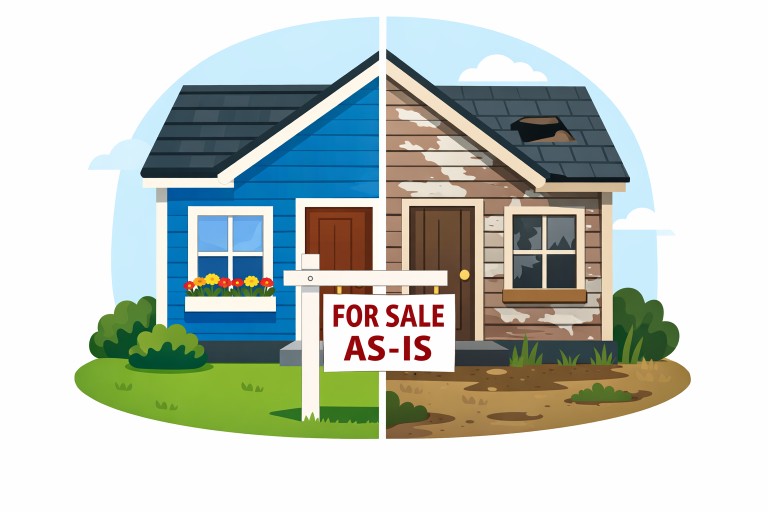
For many homeowners, selling a home “as-is” is a practical solution when a property needs repairs or updates. This approach means listing your house in its current condition, with the understanding that buyers will not expect you to make any improvements before closing. Often, this can speed up the process and save you time and money typically spent on home repairs. If you are seeking a faster, hassle-free transaction in Virginia, you may consider exploring options such as https://www.4brothersbuyhouses.com/we-buy-houses-virginia/, who specialize in purchasing homes as-is for cash.
While selling as-is can streamline the sale, it is important to weigh the trade-offs. Sellers must still provide honest disclosures, and being upfront about your home’s true condition is crucial to avoid legal trouble later on. Transparency helps set expectations with buyers and can prevent disputes during the sales process.
Most buyers who are aware of an as-is sale expect certain repairs to fall to them after closing. As a seller, being ready to answer their questions and supply relevant documentation can help build trust and confidence. Whether you are in a hurry due to a job relocation, have inherited a property, or simply do not want to make renovations, the as-is route may be the right choice.
Understanding As-Is Sales
Regardless of whether you sell as-is, you must disclose any known material defects according to state and federal real estate laws. These disclosures protect buyers and reduce the risk of post-sale lawsuits. In states such as California, sellers are required to complete a Transfer Disclosure Statement that describes the property’s physical condition and any known issues. For guidance or assistance with as-is sales and disclosure requirements, visit 4brothersbuyhouses.com. Failing to disclose major problems, such as mold or foundation issues, can result in costly legal action even after the sale is finalized.
Pros and Cons of Selling As-Is
Pros:
- Speedy Transactions: Since neither repairs nor upgrades are required, the marketing and closing periods are often much shorter.
- Cost Savings: Homeowners do not need to spend money upfront for repairs or renovations. This is especially helpful if you have limited liquidity or need to sell quickly.
- Attracts Investors: Properties sold as-is tend to appeal to investors, house flippers, and buyers seeking fixer-uppers.
Cons:
- Lower Sale Price: Buyers factor in repair costs and perceived risks, usually offering a price significantly below market value. According to Redfin, homes often sell for less when sold as-is.
- Limited Buyer Pool: The pool of buyers shrinks as some are discouraged by the immediate need for repairs or are unable to take on a renovation project.
- Financing Difficulties: Many lenders will not approve loans for homes that do not meet safety or livability requirements. This further limits who can buy your property without extra hurdles.
Legal Obligations and Disclosures
Regardless of whether you sell as-is, you must disclose any known material defects according to state and federal real estate laws. These disclosures protect buyers and reduce the risk of post-sale lawsuits. In states such as California, sellers are required to complete a Transfer Disclosure Statement that describes the property’s physical condition and any known issues. Failing to disclose major problems, such as mold or foundation issues, can result in costly legal action even after the sale is finalized.
Strategies for Successful As-Is Sales
- Set the Right Price: Evaluate local market conditions and reflect your home’s current state in the listing price. Getting a professional appraisal or a comparative market analysis can make your offer more appealing.
- Full Transparency: Share inspection reports and any available repair estimates with potential buyers. This builds credibility and reduces the chance of negotiations collapsing later.
- Highlight Strengths: Focus on features such as a desirable location, lot size, or unique characteristics. Pointing out positives can offset some concerns about needed repairs.
Working with Real Estate Professionals
A seasoned real estate agent can be a major asset when selling as-is. Professionals with experience in this area can help market your home to buyers who understand the nuances of as-is transactions. Agents can also manage disclosure forms, suggest pricing strategies, and negotiate effectively on your behalf. Their networks of investors, contractors, and home-buying companies may expose your listing to more qualified buyers willing to purchase in as-is condition.
Final Thoughts
Selling a home as-is can offer significant convenience and quickness, but it involves important legal responsibilities and pricing considerations. Homeowners who approach the process with honest disclosures, an understanding of the local market, and help from real estate professionals are best positioned to achieve a successful sale.