Key Takeaways
- Professional in-office whitening provides the fastest and most noticeable improvements for tooth color.
- Over-the-counter products offer convenience and gradual results for surface-level stains.
- Natural remedies can be ineffective or hazardous to enamel health.
- Lasting results depend on strong oral hygiene habits and avoiding staining foods or habits.
Achieving a radiant, brighter smile is a common goal for many individuals as it boosts self-confidence and leaves a great first impression. With a variety of whitening products and professional options available today, it is important to select a method that delivers results safely. If you are considering your options, booking a teeth whitening consultation in Chesapeake, VA can help you determine the most appropriate treatment for your needs and oral health.
Understanding different teeth whitening techniques is vital for achieving a brighter smile and avoiding potential side effects. This article covers professional in-office whitening, over-the-counter options, natural remedies, maintenance strategies, and safety considerations. Seeking reliable sources and consulting dental professionals is crucial, as the best whitening method depends on individual factors such as stain type, tooth sensitivity, and existing dental restorations.
Professional In-Office Whitening
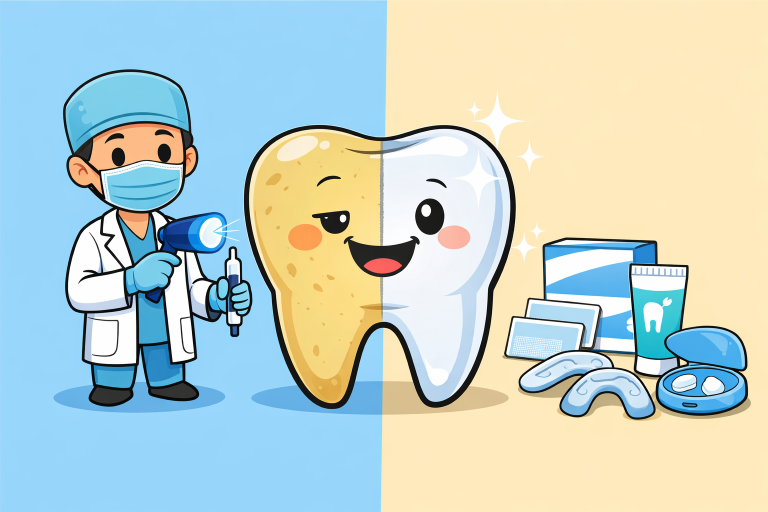
Professional in-office teeth whitening is highly effective for quick results, using high-concentration peroxide gels often activated by light or heat. A single session can lighten teeth by several shades rapidly, although it is generally more expensive than at-home options. Temporary tooth sensitivity may occur but typically resolves in a few days. Consulting a dental provider ensures safe, personalized results based on individual dental history and sensitivity.
Over-the-Counter Whitening Products
For those preferring the convenience and affordability of home treatment, over-the-counter (OTC) whitening products are a popular choice. They are suitable for mild or moderate stains and are available in various forms:
- Whitening Toothpaste: Designed to remove surface stains with gentle abrasives and minor chemical agents. It gradually whitens over time and is ideal for maintenance rather than transformation.
- Whitening Strips: Thin strips coated with a peroxide gel that are applied directly to the teeth for several minutes daily for about 2 weeks. A noticeable improvement can appear within a week for many users.
- Whitening Gels and Trays: Peroxide-based gels that are placed in mouth trays to ensure the agent stays in contact with tooth surfaces. Dentist-supplied trays are custom-fitted, reducing the risk of gum irritation and uneven whitening.
For safety assurance, look for products bearing the American Dental Association Seal of Acceptance, indicating they meet established standards. Quality and effectiveness can vary, so it pays to select established brands and avoid overuse.
Natural Remedies: Do They Work?
Interest in natural tooth-whitening techniques has grown, but evidence supporting their safety and effectiveness is limited. Common household items, such as strawberries with baking soda, lemon juice, or apple cider vinegar, are often promoted online. Research reveals that many of these substances are either ineffective at actually whitening or can damage tooth enamel, increasing the risk of sensitivity and decay. A Healthline review details the risks and limited efficacy of natural whitening remedies. Before experimenting with at-home trends, discuss your options with a trusted dentist to protect your smile’s health.
Maintaining Your Whitened Smile
Preserving the results of whitening efforts starts with disciplined oral hygiene and lifestyle adjustments. These strategies help prevent new staining and prolong the effects of whitening treatments:
- Good Oral Hygiene: Brush twice daily with fluoride toothpaste and floss to minimize plaque and surface debris that can stain teeth.
- Limit Staining Foods and Beverages: Coffee, tea, red wine, soy sauce, and certain berries are known to stain. When consuming these, rinse your mouth with water soon afterward.
- Avoid Tobacco: Smoking and chewing tobacco cause significant and stubborn tooth discoloration.
- Regular Dental Visits: Professional cleanings every six months prevent buildup and catch any emerging oral health issues early.
Making positive changes leads to longer-lasting results and contributes to overall dental and systemic health.
Safety Considerations and Potential Side Effects
Though teeth whitening is generally considered safe, improper use may lead to side effects. The most common include increased tooth sensitivity and gum irritation, which are typically temporary. Always follow product directions carefully and avoid frequent whitening, as this can damage the enamel and increase sensitivity. Certain whitening methods do not work on crowns, veneers, or fillings, potentially leading to a mismatch in tooth color. Speak with your dentist before beginning whitening if you have sensitive teeth, allergies, or significant prior dental work.
Conclusion
A bright, confident smile is attainable through safe and proven techniques, whether you choose the speed of professional whitening or the gradual improvements offered by over-the-counter options. Lasting results depend on informed choices, consistent oral care, and regular consultations with dental professionals. Prioritize safe products and expert advice to enjoy your best, brightest smile.