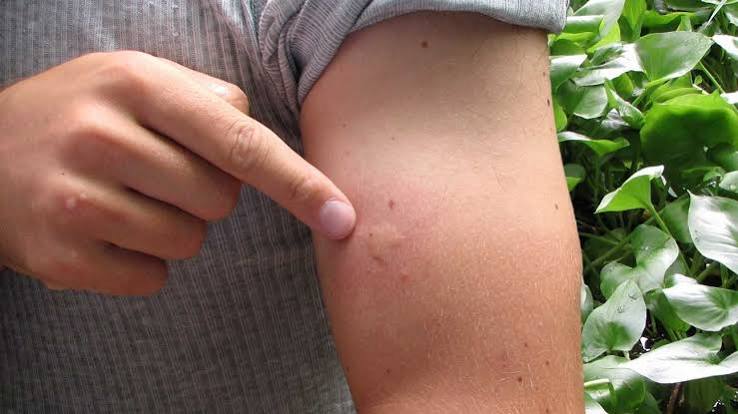
A peaceful evening outdoors can change quickly when the bites start. At first, there may be no obvious culprit. No buzzing near your ear. No mosquito hovering over your arm. No visible swarm circling the porch light. Just a sharp sting, then another, followed by itchy red welts that seem far too irritating for something you could barely see.
That is the frustrating reality of no-see-ums.
These tiny biting insects are easy to underestimate because of their size. They are often small enough to slip through standard window screens, gather near damp outdoor areas, and bite exposed skin before a person realizes what is happening. For homeowners, campers, gardeners, coastal residents, and anyone who enjoys time outside, no-see-ums can turn patios, yards, pool areas, and porches into uncomfortable places.
The challenge is that no-see-um problems are rarely solved by one quick fix. A candle on the table or a single spray around the yard may offer limited relief, but lasting control usually requires understanding where these pests live, when they are most active, and why they keep returning.
This guide breaks down what no-see-ums are, why their bites feel so intense, and what practical steps can help reduce their presence around your home.
What Are No-See-Ums?
No-see-ums are tiny biting midges. They are also called sand flies, punkies, biting gnats, or biting midges, depending on the region. Despite the nickname, they are not invisible. They are just very small, often only a fraction of the size of a mosquito.
Their size is exactly what makes them so irritating. Many people do not notice them until after they have been bitten. They can pass through some ordinary screens, gather in large numbers, and become especially active at times when people like to relax outdoors, such as early morning, late afternoon, and evening.
Only female biting midges feed on blood. They need it to produce eggs. Males typically feed on nectar and other natural sugars. This is similar to mosquitoes, but no-see-ums are often harder to spot and can create a more mysterious biting problem for homeowners.
Why No-See-Um Bites Feel So Intense
A no-see-um bite can feel surprisingly sharp for such a tiny insect. Some people describe the first sensation as a pinprick or burning sting. Afterward, the skin may develop small red bumps, swelling, and itching that can last for days.
The reaction depends on the person. Some may only notice mild irritation, while others develop clusters of itchy welts. Scratching can make the problem worse by irritating the skin or increasing the risk of infection.
The bite feels intense because no-see-ums have cutting mouthparts. Instead of gently piercing the skin like some insects, they create a tiny wound and feed from the blood that pools there. Their saliva can also trigger an immune response, which is why the itching can feel out of proportion to the insect’s size.
The result is a pest that seems almost comically small but can leave behind a very memorable reminder.
Where No-See-Ums Thrive
No-see-ums are strongly connected to moisture. Their larvae often develop in damp soil, mud, marshes, wet sand, decaying vegetation, and areas near standing or slow-moving water. Coastal neighborhoods, lakefront properties, marshy landscapes, and humid regions can be especially prone to them.
Around homes, they may be drawn to:
- Damp landscaping
- Overwatered lawns
- Poor drainage areas
- Shaded garden beds
- Potted plants with wet soil
- Poolside vegetation
- Marshy or low-lying areas nearby
- Organic debris such as leaves or mulch
This does not mean every wet patch will produce no-see-ums, but persistent moisture creates conditions where biting midges can thrive. The more attractive the environment, the harder it becomes to keep them away.
Why They Are Hard to Control
No-see-ums are difficult to manage because they are tiny, mobile, and often tied to outdoor conditions that cannot be completely removed. A homeowner may be able to empty a bucket of standing water to reduce mosquitoes, but no-see-ums can breed in damp soil, muddy edges, or natural wet areas that are not as easy to eliminate.
Their small size also makes them harder to block. Standard screens may not be fine enough to keep them out. They may enter through gaps around windows, doors, vents, patios, or screened enclosures.
Another challenge is timing. No-see-ums can appear suddenly when weather conditions are favorable. A yard that felt comfortable last week may become unpleasant after rain, humidity, or changes in wind patterns.
Control is not impossible, but it requires a layered approach.
Start With Moisture Management
The first step in reducing no-see-ums is to look at moisture around the property. Since their breeding sites are often damp, addressing water problems can make the environment less inviting.
Walk around the yard after rain and look for areas that stay wet. Pay attention to low spots, clogged gutters, poorly draining flower beds, and places where irrigation may be excessive. Even small changes can help.
Homeowners can:
- Improve drainage in low areas
- Clean gutters and downspouts
- Avoid overwatering lawns and gardens
- Remove wet leaf litter
- Refresh or thin heavy mulch
- Trim dense vegetation to improve airflow
- Move potted plants that stay constantly wet
- Repair leaks from hoses, spigots, or irrigation lines
The goal is not to make the yard bone dry. Healthy landscapes need moisture. The goal is to reduce unnecessary dampness that gives biting midges more places to develop.
Rethink Outdoor Lighting and Timing
No-see-ums are often more active during dawn, dusk, and early evening. These are also the hours when people tend to enjoy patios, fire pits, outdoor dining areas, and garden seating.
If your yard becomes uncomfortable at certain times, adjust your outdoor routine when possible. Plan gardening, grilling, or playtime during less active periods. Use fans around seating areas because small flying insects struggle in moving air.
Lighting can also influence insect activity. While no-see-ums are not managed by lighting alone, bright outdoor lights may attract various flying insects near entry points and gathering spaces. Consider using softer lighting farther from doors and seating areas, or place stronger lights away from where people sit.
This is not a complete solution, but it can reduce how often people become the easiest target.
Upgrade Screens and Seal Entry Points
One of the most frustrating no-see-um problems happens indoors. A person closes the windows, settles in for the night, and still wakes up with bites. The issue may be that the insects are slipping through standard screens or entering through tiny gaps.
Fine-mesh screens designed to block no-see-ums can help, especially in areas where biting midges are a recurring problem. These screens have smaller openings than standard window screens. They are commonly used in coastal or humid regions where tiny insects are a regular nuisance.
Check windows, doors, patio enclosures, and porch screens for tears or loose edges. Weatherstripping and door sweeps can also help reduce entry points.
For screened patios, airflow matters. Finer mesh can reduce ventilation, so homeowners may need to balance comfort, air movement, and insect protection. In some cases, outdoor fans can help improve comfort while also discouraging tiny flying pests.
Dress Strategically When They Are Active
Clothing is one of the simplest forms of bite prevention. Long sleeves, long pants, socks, and closed shoes can reduce exposed skin. Loose-fitting clothing may be more comfortable and can make it harder for insects to bite through fabric.
This may sound inconvenient in warm weather, but lightweight breathable fabrics can make a big difference. For evening walks, gardening, fishing, camping, or outdoor chores, clothing can be the first line of defense.
Pay special attention to ankles, wrists, neck, and arms. These are common bite areas because they are often exposed.
Use Repellent Correctly
Repellents can help reduce bites, but not all products work equally well for no-see-ums. Look for repellents labeled for biting flies, biting midges, or no-see-ums. EPA-registered repellents are widely recommended because they have been reviewed for safety and effectiveness when used as directed.
Common active ingredients include DEET, picaridin, IR3535, and oil of lemon eucalyptus, though suitability can depend on age, health conditions, and product instructions.
The details matter. Apply repellent evenly to exposed skin. Do not apply it under clothing. Avoid eyes, mouth, cuts, and irritated skin. Wash it off after coming indoors. For children, follow age-specific label directions and apply the product carefully.
Repellent is not a yard-control plan by itself, but it can be extremely useful when no-see-ums are active and exposure is unavoidable.
Make Outdoor Seating Less Inviting to Pests
Patios and decks often become the center of the no-see-um battle. These insects may gather near shaded, damp, protected areas where people sit still long enough to become easy targets.
A few practical adjustments can help:
Place fans near seating areas. Even a steady breeze from a portable fan can make it harder for tiny insects to land.
Trim vegetation around patios. Dense shrubs and overgrown plants can hold moisture and create resting areas.
Keep the area clean. Remove damp cushions, wet towels, yard debris, and organic buildup.
Shift seating away from wet zones. If one corner of the yard is always damp, avoid placing the main seating area nearby.
Use screened enclosures when possible. For frequent outdoor entertaining, physical barriers may be worth the investment.
The goal is to make your favorite outdoor spaces less comfortable for pests and more comfortable for people.
Understand the Limits of DIY Control
DIY steps can reduce bites and make outdoor areas more manageable. However, established no-see-um problems can be stubborn, especially when the breeding sites are difficult to access or located beyond your property line.
For example, if a home sits near marshland, a pond, a canal, or a heavily landscaped damp area, source control becomes more complicated. You may improve your yard and still experience pressure from surrounding environments.
This is where professional evaluation can be helpful. A pest control specialist can inspect the property, identify likely breeding and resting sites, recommend treatment options, and help build a plan that fits the home’s conditions. For homeowners dealing with recurring biting midge problems, professional no-see-um control information is available here:
A good control plan should not simply focus on spraying. It should consider moisture, vegetation, breeding conditions, barriers, timing, and ongoing prevention.
What Not to Rely On
No-see-ums inspire a lot of home remedies. Some may offer minor comfort, but many are unreliable as a primary control method.
Citronella candles, for example, may help a little in a small area under the right conditions, but they are unlikely to control a serious no-see-um problem. Bug zappers may kill some flying insects, but they often do not target the insects causing the most bites. Essential oils may have short-term repellent effects, but they vary widely in strength, safety, and reliability.
The biggest mistake is treating no-see-ums as if they can be solved with one product. These pests are tied to environment, weather, moisture, and access points. Effective control usually comes from combining prevention, exclusion, personal protection, and professional support when needed.
When to Be Concerned About Bites
For most people, no-see-um bites are irritating but manageable. Wash the area with soap and water, avoid scratching, and use basic itch relief methods if needed. Cold compresses, over-the-counter anti-itch creams, or oral antihistamines may help some people, depending on their health situation.
Medical attention may be needed if there are signs of infection, severe swelling, fever, spreading redness, pus, or an allergic reaction. People who react strongly to insect bites should be more cautious and may want to speak with a healthcare professional about prevention and treatment.
The best approach is to reduce exposure before bites happen. Once the itching starts, the problem has already moved from pest control to skin recovery.
A Smarter Way to Think About No-See-Um Control
No-see-um control is not about declaring war on every insect in the yard. It is about making the property less favorable to biting midges while protecting the people who live there.
Think in layers.
First, reduce moisture and organic debris where possible. Then, improve barriers such as screens and door seals. Next, adjust outdoor habits during peak activity times. Add fans, use proper repellents, and wear protective clothing when needed. If the problem continues, bring in professional help to assess the property more thoroughly.
Each step may seem modest, but together they can shift the experience of a yard. The patio becomes usable again. Evening walks feel less risky. Windows can stay open with better screening. Outdoor time becomes less about swatting and more about relaxing.
Practical Takeaways for Homeowners
If no-see-ums are becoming a regular problem, start with a simple property check. Look for damp soil, shaded vegetation, drainage issues, and torn screens. Notice when bites happen most often. Are they worse after rain? Near the garden? Around the pool? At sunset?
Patterns matter. They can point toward the conditions that need attention.
Next, make quick improvements. Trim plants, clean gutters, reduce overwatering, add fans, and use repellent correctly. These steps may not solve every case, but they can reduce bite pressure and help you understand the scale of the problem.
Finally, do not wait until outdoor spaces become unusable. No-see-ums are easier to manage when prevention starts early, before populations feel overwhelming.
Conclusion: Small Pest, Serious Disruption
No-see-ums may be tiny, but their effect on daily life can be surprisingly large. They can interrupt dinners, ruin quiet evenings, make gardening unpleasant, and leave behind itchy bites that linger long after the insects disappear.
The good news is that homeowners are not helpless. With better moisture control, smarter outdoor habits, improved screening, proper repellent use, and professional guidance when necessary, it is possible to make a home and yard less inviting to these biting pests.
The key is to treat the problem as an environment issue, not just an insect issue. No-see-ums thrive where conditions support them. Change those conditions, protect your living spaces, and respond early, and the smallest pests on the property become much easier to manage.