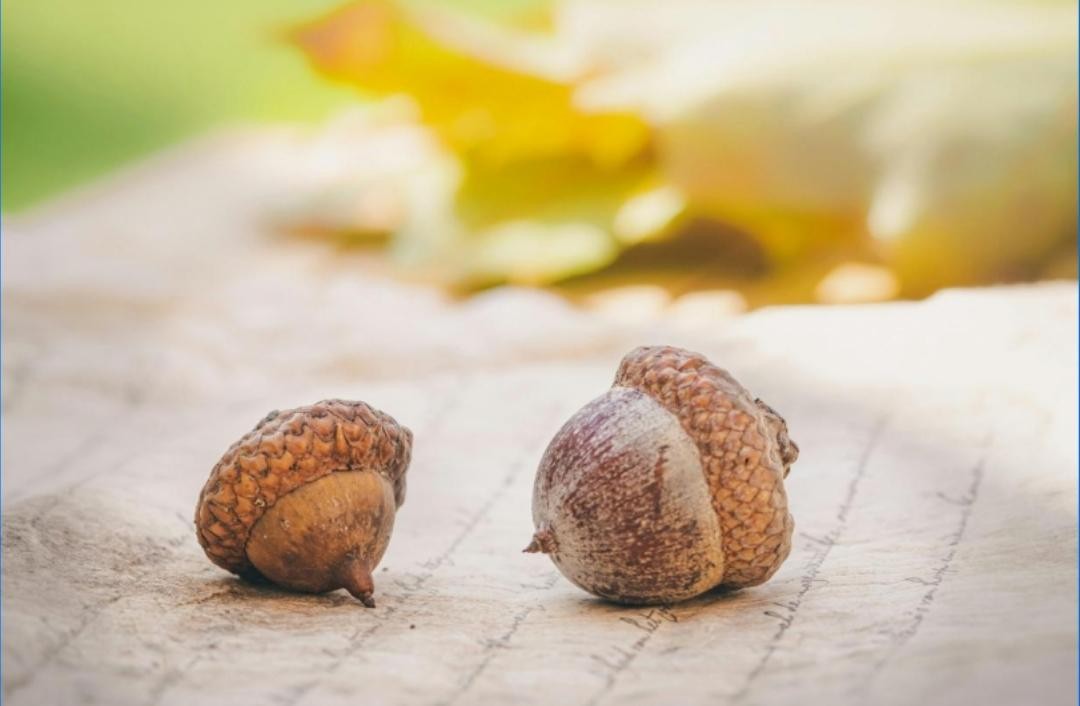
In a world increasingly dominated by screens, finding hands-on, tactile learning materials for children is more important than ever. Nature provides some of the best and most engaging educational tools, and few are as abundant and fascinating as the acorn. For teachers, homeschool parents, and nature center leaders, having a ready supply of acorns on hand provides a versatile, hands-on resource for lessons across science, math, and art.
A Multidisciplinary Learning Tool
A simple bag of acorns is a portable, sensory-rich classroom. Their uniform yet unique nature makes them perfect for a variety of activities.
Math Manipulatives
Use them for counting, sorting by size or type, practicing addition and subtraction, and introducing basic concepts of multiplication and division for young learners.
Scientific Discovery
Acorns are a perfect subject for learning about the life cycle of a tree, plant biology, and the concept of seeds. Students can dissect them (with supervision) to identify the different parts and even attempt to germinate them.
Sensory Bins
For younger children, a large bin filled with acorns, scoops, and cups provides invaluable sensory play that develops fine motor skills and encourages imaginative exploration.
Ecology and Wildlife
Discuss the vital role acorns play in the forest ecosystem as a key food source for squirrels, deer, birds, and other animals.
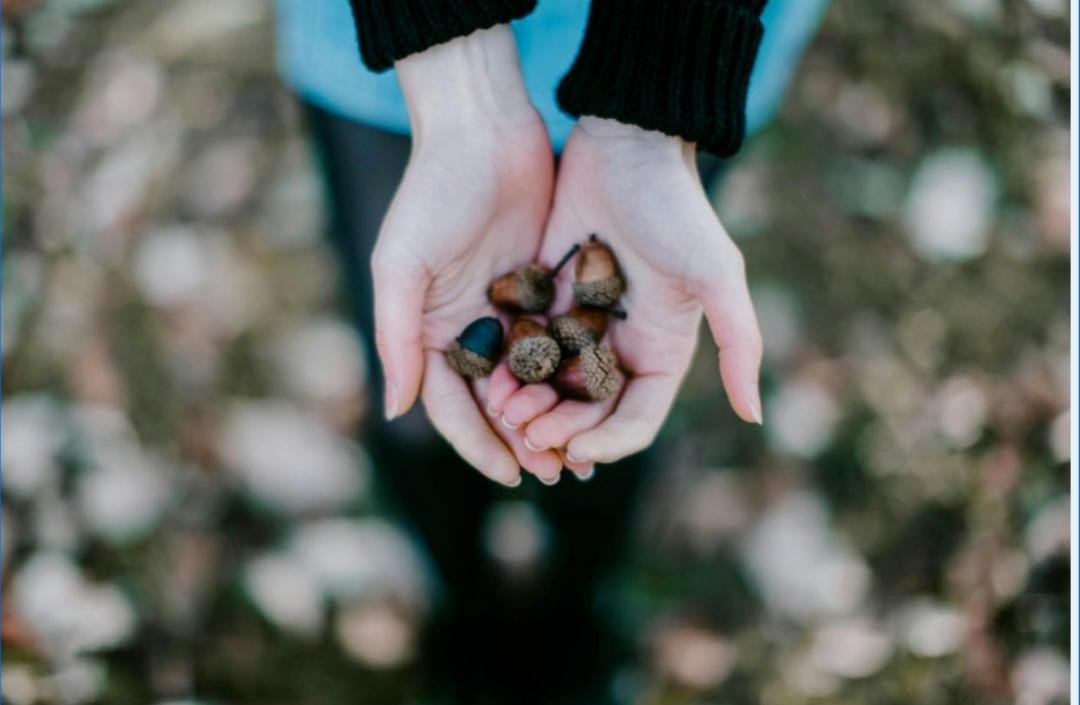
Sourcing and Safety for Classroom Use
When using natural materials with children, safety and preparation are paramount.
Source Responsibly
Acquire your acorns from a clean, reliable source to ensure they are free from pesticides or other contaminants.
The Essential Sanitization Step
To make acorns safe for little hands, they must be properly cleaned and baked. Follow the baking instructions outlined in our first article (200°F for 1.5-2 hours) to eliminate any potential pests or mold.
Supervision is Key
Always supervise children, especially with younger students who might be tempted to put small objects in their mouths.
Engaging Project Ideas for All Ages
“Acorn Architects”
Challenge students to build the tallest possible tower or most stable structure using only acorns and toothpicks or clay.
Nature Journaling
Have students draw and label the parts of an acorn, fostering observation skills and scientific vocabulary.
Seed Mosaic Art
Use acorn caps and broken pieces to create beautiful mosaics on cardboard, teaching about patterns and textures.
Conclusion: Fostering a Connection to the Natural World
Using natural materials in education does more than just teach a single subject; it fosters curiosity, respect for the environment, and a lifelong connection to the natural world. The acorn, a symbol of potential, is a perfect starting point for this journey. It is affordable, versatile, and inherently fascinating to children. By investing in a classroom supply of bulk acorns, educators are investing in a powerful, multi-sensory resource that can spark a love for learning across the curriculum.