Key Takeaways
- Consistent maintenance prevents deterioration and enhances safety.
- Routine inspections help identify and address issues early.
- Proper care of the hull, engine, and electrical systems is essential.
- Environmental factors, such as saltwater and UV exposure, accelerate wear.
- Investing in maintenance now saves money and extends the life of your boat.
Maintaining a boat involves much more than a quick rinse or a once-a-year tune-up. Routine care is the foundation for keeping your vessel safe, seaworthy, and performing optimally for years to come. By committing to preventive maintenance, boat owners not only safeguard their investment but also create a safer on-water environment for everyone aboard. When considering advanced protection, automatic boat covers Lake of the Ozarks, offer additional defense against environmental wear.
Consistent inspections, diligent cleaning, and timely repairs all contribute to a noticeably longer vessel lifespan. While the temptation to defer non-urgent maintenance may be strong, the consequences of neglect can escalate quickly, leading to unexpected breakdowns, expensive repairs, or even compromised safety. Starting a maintenance plan now allows you to intercept problems before they grow costly or dangerous, ultimately increasing your peace of mind and the years you’ll enjoy your boat.
Understanding Boat Lifespans
The expected life of a boat depends largely on its construction materials, care regimen, and local operating conditions. Fiberglass boats, the most common type of recreational vessel, typically last from 30 to 40 years when properly maintained. Aluminum and steel-hulled boats are celebrated for their durability; with attentive upkeep, a steel yacht can endure for a century or more. In contrast, vessels that go neglected can see their lifespan cut drastically short. Routine inspections and timely intervention are the differences between decades of enjoyment and premature obsolescence.
Routine Cleaning and Care
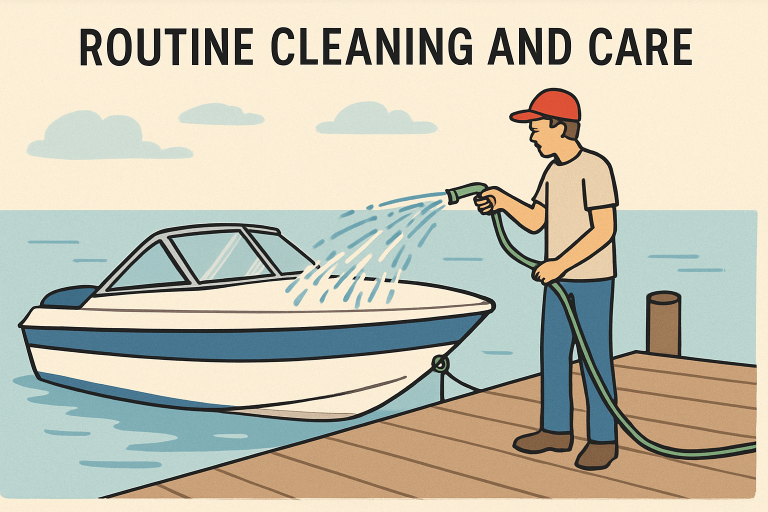
Every boat owner should prioritize regular cleaning, especially after every use. Salt, dirt, and residue left unchecked can rapidly lead to mold, mildew, or corrosion, which eat away at your vessel’s surfaces and structural integrity. Rinsing all exposed surfaces with freshwater—and using marine-safe cleaners—protects your boat’s finish and the surrounding waterway. This level of care is particularly vital for those in saltwater locations, where corrosion accelerates and organic buildup occurs more rapidly and aggressively.
Engine and Mechanical Maintenance
Consistent engine care is crucial for all marine vessels. Regular oil changes (every 100 to 150 hours of operation, and at least twice a year) are among the most impactful investments you can make in reliability and longevity. Refer to your engine’s manual for specific guidelines, but remember that more frequent changes may be warranted based on your usage and environmental exposure.
Don’t forget to run a dipstick check each time you’re out and pay attention to other mechanical components, such as belts, filters, and fluid reservoirs. Addressing small engine concerns proactively deters unexpected failures that can leave you stranded on the water.
Electrical System Checks
The marine environment is harsh on electrical components. Saltwater and humidity can corrode wires and weaken connections, compromising the functionality and safety of your vessel. Regularly inspect wiring for fraying or exposed metal, and ensure terminals are clean and free from debris. Connections are securely tightened, and dielectric grease is applied where necessary to prevent moisture penetration. This diligence extends beyond lighting and includes all navigation and safety systems.
Hull Inspections and Maintenance
The hull is the shield that separates your crew and cargo from the elements. Monthly cleaning is recommended, especially in saltwater, to remove barnacles, algae, and other marine growth that can slow you down and, over time, damage the underlying structure. Look for cracks, blisters (a sign of osmosis), and abrasions that may indicate underlying issues. Early repairs are almost always less expensive than waiting until a major problem arises.
Protecting Against Environmental Factors
Every body of water presents unique risks to hulls, engines, and accessories. Saltwater, in particular, is notorious for accelerating the rust and corrosion process. Even ultraviolet (UV) rays from the sun can degrade boat finishes, seating, and covers over time. Freshwater presents fewer corrosion risks but can still encourage mold and mildew if the boat isn’t dried and aired out consistently. Reducing direct sun exposure and keeping your boat covered when not in use, whether docked or in storage, will slow these destructive processes.
Investing in Professional Maintenance Services
For those with less time or expertise, turning to a professional maintenance provider or yacht management service can preserve the health of your boat. These experts bring in-depth knowledge and access to specialized equipment, performing more thorough inspections and addressing maintenance tasks that the casual owner might otherwise overlook. Such a partnership not only protects your vessel but can also enhance resale value when it’s time to upgrade.
Final Thoughts
Boat ownership is a rewarding commitment, providing years of adventure and enjoyment on the water. This longevity is only achievable through regular, proactive maintenance. With a clear maintenance schedule, attention to detail, and a willingness to invest in quality protection and expert help, you’ll ensure that your vessel remains safe, efficient, and valuable for decades. The small efforts you invest today ensure many more memorable voyages in the future.