Wait—Radios? In 2026?
With smartphones in every pocket, cloud-based calling platforms, and AI-powered communication apps, you’d think the humble two-way radio would be on the endangered tech list by now.
Spoiler: it’s not.
In fact, two-way radios are not only surviving—they’re thriving, especially as part of integrated voice communication ecosystems that prioritize speed, clarity, and efficiency across industries.
From logistics hubs and healthcare facilities to security teams and construction sites, radios aren’t the outdated relics they once were. They’re smarter, more connected, and more relevant than ever.
Why Real-Time Voice Still Matters
Let’s start with the basics: not all voice communication is created equal.
Yes, VoIP and mobile networks are powerful. But in mission-critical or high-urgency environments, you don’t want to:
- Wait for a call to connect
- Navigate phone trees or menus
- Deal with background apps draining your signal
Two-way radios offer one thing above all else: immediate, frictionless voice communication. Push a button, speak, and the message is heard—instantly.
No dialing. No apps. No guesswork.
The Role of Radios in the Bigger Picture
Modern communication systems are built from multiple layers: mobile devices, landlines, video conferencing, messaging platforms, and yes—radios.
Here’s where two-way radios fit:
- Instant team coordination without call setup
- Group communication (one-to-many or many-to-one)
- Backup communication when networks go down
- Integrated dispatch systems with GPS tracking and status checks
- Hands-free, noise-resistant devices in industrial or mobile environments
In short, radios complement—not compete with—your existing tools. They fill the gaps that slower, app-heavy systems leave behind.
Radios Meet Cloud: Push-to-Talk (PTT) Gets an Upgrade
What’s changed most in the last decade? Two-way radios now go way beyond analog walkie-talkies.
Thanks to push-to-talk over cellular (PoC) technology, modern radios can:
- Operate over 4G LTE and Wi-Fi networks
- Provide nationwide or even global communication
- Integrate with digital dispatch platforms
- Support multimedia messaging and location tracking
- Connect with smartphones, tablets, and even PCs
So that field supervisor with a radio? They’re in the same communication ecosystem as your front office—just with faster access and fewer distractions.
Use Case Spotlight: Cross-Functional Teams
Let’s say you’re managing a large facility. Maintenance uses radios. Security uses radios. Operations uses smartphones. Management uses laptops and video calls.
The solution? Unifying them.
Modern two-way radio systems now offer:
- Cross-device compatibility (radios and phones on the same network)
- Dispatch dashboards for centralized communication control
- Channel segmentation so teams can talk internally or broadcast to all
- Emergency override functions to cut through all other traffic
It’s communication without silos—and radios are the real-time anchor point.
Built for Environments Where Other Devices Fail
Let’s be honest: phones and laptops aren’t always practical.
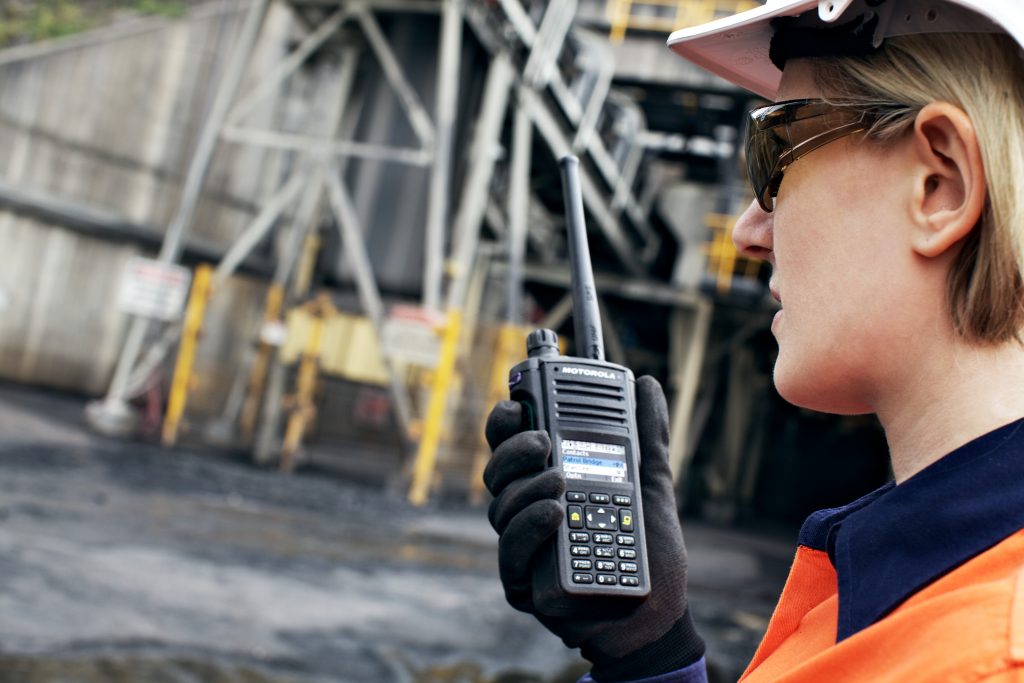
Gloved hands. Dusty environments. Loud machinery. Wet conditions. Constant motion.
Two-way radios are still unmatched when it comes to:
- Ruggedness
- Battery life
- Audio clarity in high-noise zones
- Hands-free functionality with accessories
For industries where every second counts and conditions aren’t exactly “tech friendly,” radios aren’t a backup—they’re the primary line of voice communication.
Final Thought: Old Tech, New Tricks
Yes, radios have been around for decades. But the version you’re imagining? It’s evolved.
Today’s two-way radios are smart, connected, and deeply integrated into modern communication systems. They’re the bridge between fast-paced field operations and the broader business network—anchoring voice communication where it’s needed most.
Because in a world of lag, dropped calls, and app overload, sometimes the best tech… is the one that just works. Instantly. Every time.