It usually happens without much warning. A storm rolls through, the wind howls a little louder than usual, and suddenly a tree that’s stood for decades doesn’t look quite as stable as it once did. Maybe a large limb cracks and hangs at an awkward angle. Maybe the trunk starts leaning more than it did last week. For homeowners, these moments are unsettling because trees are supposed to add beauty and shade, not uncertainty.
Many people hesitate because they’re not sure if the situation is truly urgent or something that can wait until “next weekend.” Others worry about making the wrong call and removing a tree unnecessarily. That’s understandable. Emergency tree cutting is a serious step, and so is routine Tree cutting, both involve safety, cost, and the long-term look and health of your property. The difference is timing and risk. When danger is immediate, acting quickly protects your home, your neighbors, and anyone walking or driving nearby.
This guide explains the clearest warning signs that Emergency tree cutting may be necessary, how to recognize unsafe conditions, and when it’s smarter to pause and schedule non-urgent Tree cutting instead. The goal is to help you protect your property, and the people around it, without panic, guesswork, or overreaction.
Signs You Need Emergency Tree Cutting Services
Emergency tree cutting services are needed when a tree poses an immediate risk to people, property, or nearby structures. This usually means the tree is already damaged, unstable, or showing strong signs it could fail at any moment. Common emergency scenarios include split trunks, large hanging branches, severe leaning after a storm, or visible root lifting. These situations can escalate quickly, especially during high winds, heavy rain, or snow.
A tree doesn’t have to fall completely to be dangerous. One compromised limb can weigh hundreds of pounds and cause major damage if it drops unexpectedly. Emergency tree cutting is also necessary when trees interfere with power lines, block roads or driveways, or threaten roofs, vehicles, fences, or neighboring properties. In these cases, waiting can increase the risk of injury and costly repairs. Even if you’re unsure, it’s worth remembering that professional Tree cutting crews can assess the hazard before they remove anything.
What separates Emergency tree cutting from routine Tree cutting is urgency. Routine trimming can be scheduled days or weeks in advance. Emergency tree cutting is about immediate action, stabilizing or removing a hazard before it causes harm. If you notice sudden structural changes, storm-related damage, or signs that a tree has shifted, it’s usually safer to call professionals right away than to hope the issue resolves on its own.
How Do You Know If A Tree Needs To Be Cut Down?
Knowing whether a tree needs to come down often comes down to health and structure. A dead or dying tree is one of the clearest indicators that removal may be necessary. Signs can include brittle branches that snap easily, no new growth during the growing season, or a canopy that stays thin year after year. In many cases, homeowners begin with routine Tree cutting and pruning, but if the tree has declined too far, pruning doesn’t restore stability.
Structural issues matter just as much as health. Deep cracks in the trunk, significant hollowing, or visible decay at the base can mean the tree can no longer support its own weight. Fungal growth, like mushrooms around the trunk or root flare, often signals internal rot. When these problems show up, a tree can look “fine” from a distance but be dangerously compromised inside. That’s when Emergency tree cutting becomes a real possibility, especially if the tree is near a home or driveway.
Location also plays a role. A tree may appear relatively healthy but still be a problem if it’s growing too close to a structure, leaning toward a roofline, or interfering with utility lines. In these cases, the risk isn’t just the tree’s condition, it’s what the tree could damage if it fails. When health issues and location risks overlap, Tree cutting becomes the safest option, and Emergency tree cutting may be required if the risk is immediate.
How Do I Know If I Can Cut Down A Tree?
Before cutting down a tree, homeowners need to consider more than safety. Local rules, property boundaries, and protected tree ordinances can affect whether you can legally remove a tree. Many cities regulate Tree cutting, especially for large, mature, or protected species. Cutting down a tree without permission can lead to fines or disputes, particularly if the tree is near a shared boundary.
Property ownership is another big factor. If a tree sits near a property line, ownership can be tricky. Even if a tree leans into your yard, the trunk may be rooted on a neighbor’s property. That can complicate decisions, and it can complicate who pays. In true emergencies—like a tree actively threatening a home, some areas allow faster action, but rules vary. This is one reason homeowners often call a professional Tree cutting service: they’re familiar with the practical and legal realities of removal.
From a safety standpoint, it’s also important to be honest about risk. Emergency tree cutting often involves unstable trees, heavy limbs, and unpredictable movement. If you don’t have the right equipment and training, attempting Tree cutting yourself can lead to serious injury. If there’s uncertainty, legal or physical, it’s usually best to consult professionals who can evaluate the situation and take safe action.
How To Tell If A Tree Is Unsafe?
Unsafe trees often give warning signs long before they fail. One of the most noticeable signs is leaning. Some trees naturally grow at an angle, but a tree that suddenly starts leaning, or leans more after a storm, should be taken seriously. That can indicate root failure, soil saturation, or a compromised base. When a lean changes quickly, Emergency tree cutting becomes a smart consideration, not an overreaction.
Cracks in the trunk or major limbs are another red flag. These cracks can widen over time, especially during freeze-thaw cycles or high winds. Peeling bark, missing bark patches, or exposed wood can also indicate internal decay. When the protective outer layer is damaged, the tree becomes more vulnerable to disease and structural weakness. A professional Tree cutting crew will often look for these signs while also evaluating how the tree moves in the wind.
Storm Damage And Emergency Tree Cutting
Storms are one of the most common reasons homeowners need Emergency tree cutting services. High winds, heavy rain, snow, and ice can stress trees beyond their limits. Even healthy trees can suffer sudden damage when conditions are extreme, especially if the canopy is dense or the ground is saturated.
After a storm, broken limbs hanging in the canopy are particularly dangerous. These suspended branches can fall without warning, even on calm days. Split trunks, partially uprooted trees, or branches resting on roofs and power lines also require immediate attention. In these situations, Emergency tree cutting is less about cleanup and more about preventing secondary incidents, such as a limb crashing through a roof or a tree pulling down a line.
It’s also worth noting that storm damage can hide deeper structural problems. A tree might look “mostly fine” except for one large break, but the break can change weight distribution and cause a delayed failure. A trained Tree cutting crew can assess whether the tree can be stabilized with pruning or whether Emergency tree cutting is needed to eliminate the hazard quickly.
When Shouldn’t You Cut Down Trees?
Not every tree issue requires immediate action, and sometimes removal is unnecessary—or even harmful. Healthy trees with minor cosmetic issues, like small dead branches or surface scars, can often be handled with routine Tree cutting and pruning rather than full removal. Cutting down a healthy tree simply because it drops leaves or casts shade usually isn’t the best choice.
Seasonal timing can matter too. In some areas, nesting seasons can affect Tree cutting schedules, and certain species may be protected at specific times of year unless there’s a clear safety threat. That’s why Emergency tree cutting is generally reserved for situations involving genuine danger, like hanging limbs, active splitting, or root failure near a structure.
There’s also the emotional and environmental value of trees. Trees provide shade, reduce heat, support wildlife, and add character to a property. When a tree can be preserved safely through pruning, cabling, or selective Tree cutting, removal may not be necessary. Knowing when to act, and when to wait, helps homeowners make balanced decisions without rushing into Emergency tree cutting unnecessarily.
Why Emergency Tree Cutting Is Not A DIY Job
Emergency tree cutting involves unpredictable forces. A damaged tree can shift suddenly, limbs can snap without warning, and incorrect cuts can cause the trunk to twist or fall in unexpected directions. Many accidents happen when homeowners underestimate how heavy branches are or how quickly a stressed tree can react.
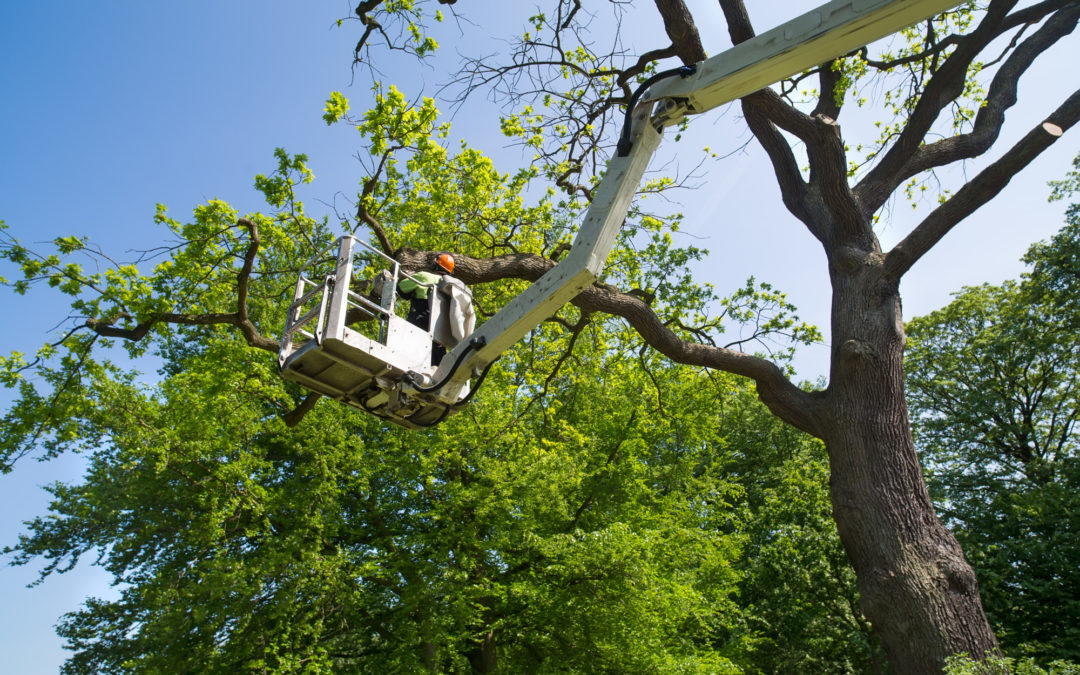
Professional Tree cutting crews are trained to assess risk, use specialized equipment, and control the direction of falls with ropes and rigging. They also know how to work safely around power lines, buildings, and fences. Attempting Emergency tree cutting without proper training increases the risk of injury and property damage, sometimes worse than the damage you were trying to prevent.
What Happens During Emergency Tree Cutting Services?
When Emergency tree cutting services are called, the first step is an on-site assessment. Professionals evaluate the tree’s condition, surrounding hazards, and the safest removal approach. Depending on the situation, they may remove the entire tree or only the most dangerous sections first. If the tree is near a structure, crews often use controlled lowering techniques to avoid additional damage.
In many cases, the work happens in stages. Branches are removed carefully, then the trunk is cut down in sections, especially in tight areas. This controlled method is also common in routine Tree cutting when a tree is close to a home, but in an emergency the priority is stabilizing risk immediately. If power lines are involved, crews may coordinate with utility companies to reduce danger.
Once the immediate hazard is removed, homeowners can decide whether additional Tree cutting or cleanup is needed. Some situations end with full removal; others end with a stabilized tree that can be safely trimmed and monitored. A good Emergency tree cutting team will explain what they did, what they observed, and what you should watch for next.
Final Thoughts
Emergency tree cutting services exist to protect people and property when trees become unpredictable and dangerous. Knowing the warning signs, such as sudden leaning, cracked trunks, hanging branches, and root damage, helps homeowners act quickly and confidently. While not every tree problem requires immediate removal, ignoring clear danger signs can lead to serious consequences.
Understanding when to cut, when to wait, and when to call professionals allows homeowners to make informed decisions without unnecessary panic. Trees are valuable assets, but safety should always come first. When in doubt, a professional assessment can clarify whether you need Emergency tree cutting right now or scheduled Tree cutting to reduce risk over time.
Need Emergency Tree Cutting Services?
If a tree on your property is damaged, unstable, or threatening nearby structures, professional help can make all the difference. Reach out to a trusted provider offering Emergency tree cutting and Tree cutting services to assess the situation and restore safety quickly. Scheduling an evaluation early can prevent accidents, protect your property, and give you peace of mind.