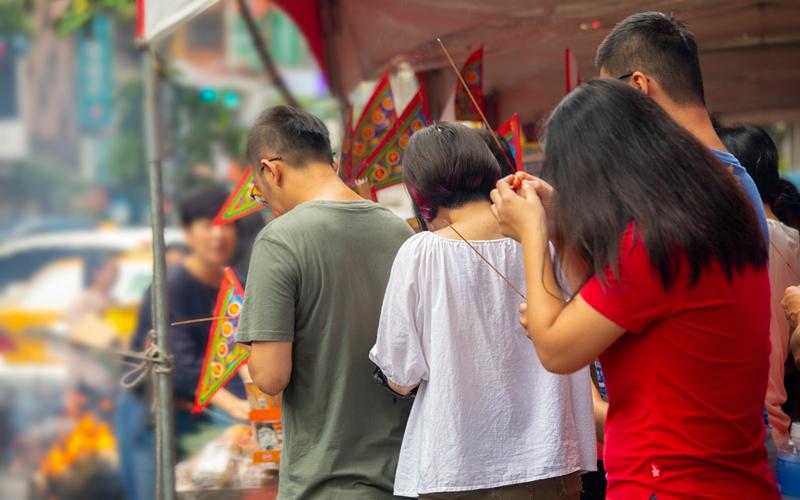
Every August, Singapore’s streets glow with flickering candles and smoky trails of incense. The air hums with quiet reverence as offerings line pavements, each one placed with care. While modern life moves swiftly, this age-old ritual reminds people to slow down and reconnect with their roots. The Hungry Ghost Festival is both solemn and vibrant, showing how culture can adapt without losing meaning. It stands as proof that remembrance still holds power in a fast-paced city.
A Tradition That Refuses to Fade
Every year, Singapore lights up with candles, incense, and paper offerings as the Hungry Ghost Festival returns. It is a month when the boundary between the living and the dead is believed to blur, creating a time for respect and remembrance. Despite the country’s fast pace and modern skyline, this tradition remains an important part of daily life. People may scroll through their phones during lunch breaks, but when the seventh lunar month arrives, they still make time for rituals. The mix of old and new makes the festival uniquely Singaporean.
The persistence of these customs is partly due to family influence. Many grew up watching parents and grandparents prepare food offerings and burn incense outside their homes. These small acts pass on values of respect and gratitude. While younger generations may not fully observe every ritual, they still recognise the cultural value behind them. This quiet respect helps the Hungry Ghost Festival stay alive in a city that is always evolving.
ALSO READ: Hungry Ghost Festival in Singapore: Traditions, Myths, and Rituals
Rituals Rooted in Respect
The festival represents belief and it reflects care and respect for the departed. Families set up tables filled with rice, fruits, and roast meats to feed wandering spirits. Joss sticks burn in front of portraits, and paper money drifts into the night sky as a symbol of goodwill. The practice reflects a belief that showing kindness to spirits brings peace to both sides. Even if beliefs differ, the shared gesture of offering remains powerful.
Some customs stem from age-old beliefs that spirits roam freely during this month. As a result, many Singaporeans still observe hungry ghost festival superstitions that have been passed down for generations. Avoiding late-night swims, not stepping on offerings, and staying cautious at deserted corners are all part of the unwritten code. While these may sound like small rules, they serve as reminders to be mindful and respectful of unseen presences.
A Modern Take on Ancient Beliefs
With every passing year, the festival adapts to the times. Modern life has made certain practices more convenient. Some families now send digital offerings through online platforms, while others hold virtual prayer sessions for relatives abroad. Despite these changes, the spirit of the tradition remains the same.
Singapore’s multicultural setting also influences how the festival is celebrated. Chinese temples continue to hold evening prayers, while community groups organise performances known as getai. These lively shows mix comedy, music, and dance, entertaining both spirits and humans. The blend of reverence and festivity reflects how Singaporeans find balance between belief and enjoyment.
At the same time, younger people are becoming more curious about hungry ghost festival superstitions. They may not follow every rule, but many view these stories as part of Singapore’s folklore. Social media has also given these customs a new stage, with short videos and posts explaining why certain taboos exist. This digital attention keeps the topic alive for a generation that values heritage in modern forms.
Keeping the Flames Burning
Part of what keeps the Hungry Ghost Festival thriving is its sense of community. Neighbours come together to burn offerings, share food, and talk about the past. These gatherings remind people that traditions do not have to be grand to be meaningful. It is often the simple acts of respect that matter most. This collective participation turns what could be a fading ritual into a living event that grows stronger with each passing year.
Public awareness also plays a role. Schools and cultural organisations occasionally hold talks and exhibitions explaining the meaning behind the rituals. By connecting history with practice, they help younger audiences see the festival as more than superstition. For many, learning about hungry ghost festival superstitions is a way to understand how beliefs shaped community behaviour and values over time.
Why It Still Matters
In a city known for innovation and change, it is remarkable how the Hungry Ghost Festival remains relevant. It reflects something deeply human: the need to remember and respect. The rituals may shift in form, but the intention stays the same. Honouring the past gives meaning to the present. Whether it is through traditional altars or modern virtual offerings, the heart of the festival beats on.
Singapore’s ability to blend progress with preservation keeps this tradition meaningful. As skyscrapers rise and lifestyles evolve, people still pause to light incense or leave food for spirits. The belief that kindness extends beyond the living world continues to bind communities together.
The Hungry Ghost Festival is more than a date on the calendar; it is a shared memory that refuses to fade away. It reminds Singaporeans of their roots, of gratitude, and of connection to generations past. Visit Best SG Finds to read more about Singapore’s timeless traditions and how they continue to thrive today.