Key Takeaways
- Organizations must prioritize early-career hiring, continuous upskilling, and reskilling to build a sustainable workforce.
- Collaboration between business leaders and educational institutions is essential to bridge the skills gap and ensure an industry-aligned curriculum.
- Applying supply chain and data-driven practices to talent management significantly improves responsiveness and efficiency.
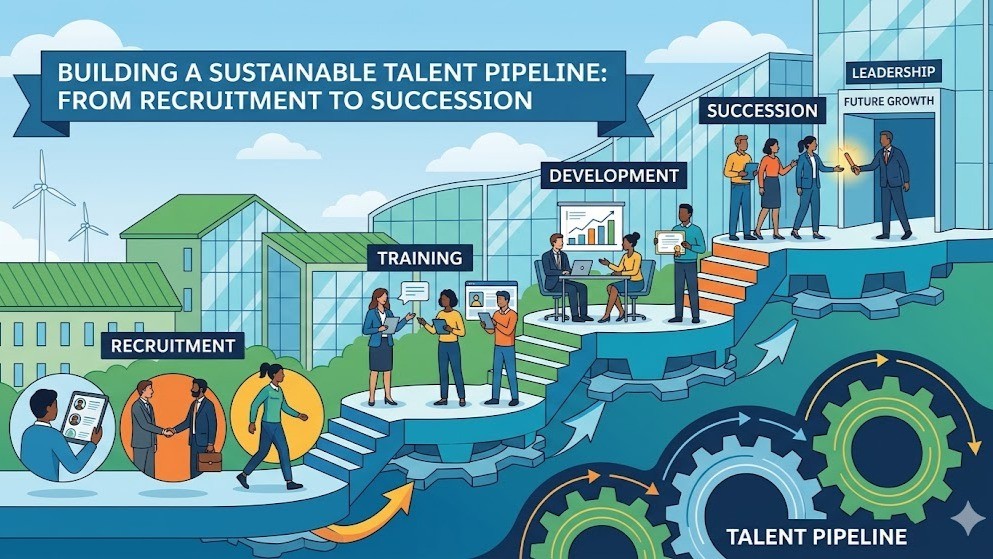
Modern organizations are navigating a job market shaped by rapid technological innovation, shifting skill requirements, and an ever-increasing need for agility. Leaders looking to ensure ongoing organizational growth and success must prioritize improving hiring outcomes and invest in strategies to secure a resilient, future-ready talent pipeline. Early-career hiring, robust training programs, and adaptable workforce structures have become essential for organizations striving to compete effectively in this competitive landscape.
Developing a future-proof talent strategy also means collaborating beyond traditional organizational boundaries and reimagining hiring as an ongoing, data-driven process. Integrating business-education partnerships, harnessing technology, and fostering diversity are crucial actions for enterprises looking to minimize skills gaps and maximize employee engagement. The following strategies provide actionable insights to help organizations modernize their talent pipeline and stay ahead in a changing world.
Emphasizing Early-Career Hiring and Upskilling
Investing in entry-level professionals is a proven method to secure long-term organizational competitiveness. Companies like IBM are responding to projected skills shortages by drastically increasing entry-level hiring and embedding ongoing learning opportunities into their workforce strategy. This approach goes beyond mere recruitment; it prepares talent to adapt to shifting job requirements, fostering resilience and flexibility for the future. The focus is on cultivating a workforce capable of learning new skills as technologies and market conditions evolve.
Upskilling initiatives are equally vital. Regularly investing in employee growth builds a culture of internal mobility and long-term retention. Organizations that actively reskill and upskill employees experience higher productivity and lower turnover, providing measurable business benefits.
Fostering Business-Education Partnerships
Businesses and educational institutions must work together to ensure that new graduates enter the workforce with relevant, job-ready skills. Strategic partnerships such as the collaboration between Maricopa Community Colleges and ManpowerGroup in Arizona are helping create streamlined pathways from education to employment. By developing industry-specific training programs, these initiatives address talent shortages in key sectors such as advanced manufacturing and technology.
These partnerships are helping to close the loop between the classroom and the workplace, ensuring educational curricula remain current and aligned with employer needs. This model not only benefits students, who gain clearer career trajectories, but also employers, who see reduced training time and a more qualified applicant pool.
Applying Supply Chain Principles to Talent Management
Borrowing methodologies from traditional supply chain management, organizations can transform talent acquisition and workforce planning into a streamlined, data-rich process. The U.S. Chamber of Commerce Foundation’s Talent Pipeline Management (TPM) initiative demonstrates how treating workforce supply as a pipeline ensures a steady stream of skilled candidates and proactively addresses gaps. TPM emphasizes precise demand planning, data sharing, and continuous improvement principles that have long been fundamental in logistics and procurement.
Supply chain concepts also encourage routine data assessment and rapid response to fluctuations in talent demand. This dynamic, iterative approach gives businesses a competitive advantage by enabling better forecasting and optimized recruitment timelines.
Leveraging Technology for Talent Acquisition
Organizations that incorporate advanced recruiting technologies gain significant advantages in attracting and retaining top talent. Automated screening tools, AI-enhanced assessments, and digital onboarding platforms reduce time-to-fill, improve candidate satisfaction, and increase overall recruitment efficiency. Major firms such as Equinix are addressing the demand for technical talent by leveraging workforce development tools, ensuring they remain competitive in sectors with acute skill shortages.
Technology is also widening access to underrepresented groups by providing more equitable and transparent selection processes. Virtual job fairs, remote interviewing, and online training resources enable you to reach a wider pool of candidates than ever before.
Investing in Internal Talent Development
An effective way to fill critical skill gaps is by cultivating talent from within. Many hospitals and healthcare systems have reduced their dependency on costly contract labor by investing in internal training and reskilling programs. This strategy boosts retention and morale by demonstrating the organization’s commitment to employee advancement while also filling key roles with experienced, trusted workers already familiar with the organization’s culture and operations.
Retaining experienced staff provides a buffer against disruptions caused by turnover and labor shortages and supports organizational continuity through knowledge transfer and mentorship initiatives.
Building Diverse and Inclusive Talent Pipelines
Diversity and inclusion are essential for expanding access to opportunity and enriching organizational culture. Industry leaders such as Micron Technology are partnering with Minority Serving Institutions to diversify the pipeline for critical roles in sectors like semiconductors. These collaborations open career doors to historically underrepresented groups and create a more innovative, resilient workforce.
Organizations that prioritize diversity initiatives benefit from increased creativity, broader market insights, and a stronger employer brand.
Developing Leadership for the Future
Preparing future leaders is crucial to meet the demands of a rapidly changing job landscape. Forward-thinking organizations are investing in formal leadership development programs that foster a growth mindset and empower high-potential employees to take on greater responsibility. In healthcare and beyond, these programs are unlocking individual and collective potential, creating leaders who can steer their organizations through uncertainty and change.
Successful leadership programs are grounded in mentorship, experiential learning, and real-time problem-solving, ensuring that emerging leaders have both the confidence and capability to guide their teams, drive transformation, and maintain operational resilience.
Conclusion
Building a talent pipeline that can withstand unpredictable shifts in the labor market requires organizations to embrace early-career recruitment, champion upskilling, foster business-education partnerships, deploy supply chain principles in talent management, and champion diversity and inclusion. By taking a holistic approach and leveraging both internal and external resources, organizations position themselves to grow, innovate, and meet future demands with agility and confidence.