Daniel Torres Jr. brings experience in project management, public speaking, mentoring, consulting, and public service that provides practical perspective on how construction projects stay organized and productive. Based in Omaha, he serves as project manager for Taylor Investments, where his responsibilities include employee management, owner relations, quality control, budgeting, and oversight of company policies that support safety and efficiency. He is also the owner of Strong Towers, LLC, providing consulting and public speaking services. Earlier in his career, he gained project management experience with ServPro of SooLand and spent more than two decades in law enforcement with the City of Omaha Police, completing extensive professional training and earning multiple commendations. His background reflects a consistent focus on leadership, coordination, accountability, and service.
How Construction Project Managers Keep Work Moving
A construction project manager helps turn plans, schedules, budgets, and jobsite needs into organized daily work. In construction, project management means coordinating the people, information, timing, costs, safety expectations, and quality checks that carry a project from planning through completed work. For owners, clients, crews, and business leaders, this work explains why a project can move with clearer timing, fewer avoidable delays, and better accountability.
That coordination becomes practical when one task depends on another. For example, a concrete crew may not be able to start until the site crew has completed preparation, materials have arrived, and the inspector or owner has given the required approval. The project manager checks those conditions early so the next crew does not arrive before the jobsite is ready.
Schedule control requires more than placing dates on a calendar. A construction schedule breaks work into tasks, sequences, resources, and handoffs, so one delay can affect several later steps. When weather, crew availability, inspections, or material delivery timing shift, the project manager reviews the schedule and adjusts priorities so work stays aligned with the larger timeline.
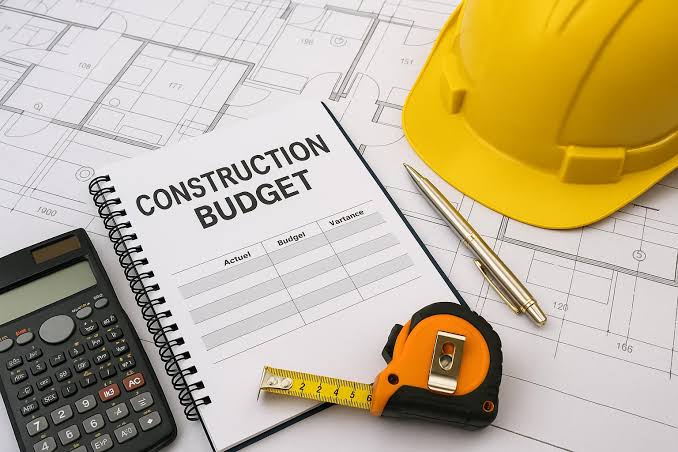
Budget monitoring requires the same steady attention. A project does not stay within budget simply because an early estimate exists. The project manager reviews costs, forecasts, approved changes, and developing risks so the owner and project team can understand how decisions may affect spending. That review helps budget issues surface while the team can still respond.
Numbers are only one part of project control. Real-time communication keeps daily work aligned among owners, subcontractors, field supervisors, inspectors, suppliers, and internal company leaders. Clear updates help each participant understand current priorities, open questions, and the next action needed.
Project documents create a formal record when the project team needs to clarify, approve, or track decisions. A request for information, often called an RFI, is a written question that asks for clarification when drawings, specifications, or site conditions leave an issue unclear. A change order records an approved change that may affect the work, cost, schedule, or contract details, which helps the project team trace what changed and why.
Safety oversight also shapes daily project management. The project manager does not personally perform every safety task on a jobsite, but the role helps make safety expectations visible in daily decisions. That oversight can include reinforcing site rules, checking whether crews follow required procedures, and making sure concerns reach supervisors, safety leads, or decision-makers before work continues.
Quality control focuses on whether the finished work meets project requirements. A project manager reviews drawings, specifications, standards, inspections, and reported defects to help confirm that the work matches what the project calls for. When the team catches quality concerns early, it can correct defects, reduce rework, and protect the schedule from preventable setbacks.
Even with that structure, construction work can still change quickly. Weather, missing materials, unclear plans, staffing conflicts, inspection issues, or owner-requested changes can interrupt the original plan. When that happens, the project manager gathers the facts, identifies who must decide, documents the response, and helps the team work from a defined next step.
When the project manager keeps decisions current and responsibilities clear, owners and field teams can respond before small uncertainties harden into costly changes. That is where the role matters most: not in controlling every detail, but in helping the project team make the next decision with enough information to act. The result is steadier progress without pretending that every project variable can be controlled.
About Daniel Torres Jr.
Daniel Torres Jr. is a project manager for Taylor Investments and the owner of Strong Towers, LLC, where he provides consulting and public speaking services. He previously spent nearly 25 years speaking and mentoring through R5 Productions and Value Up Productions and gained project management experience with ServPro of SooLand. His professional background also includes more than two decades of service with the City of Omaha Police and extensive specialized training.