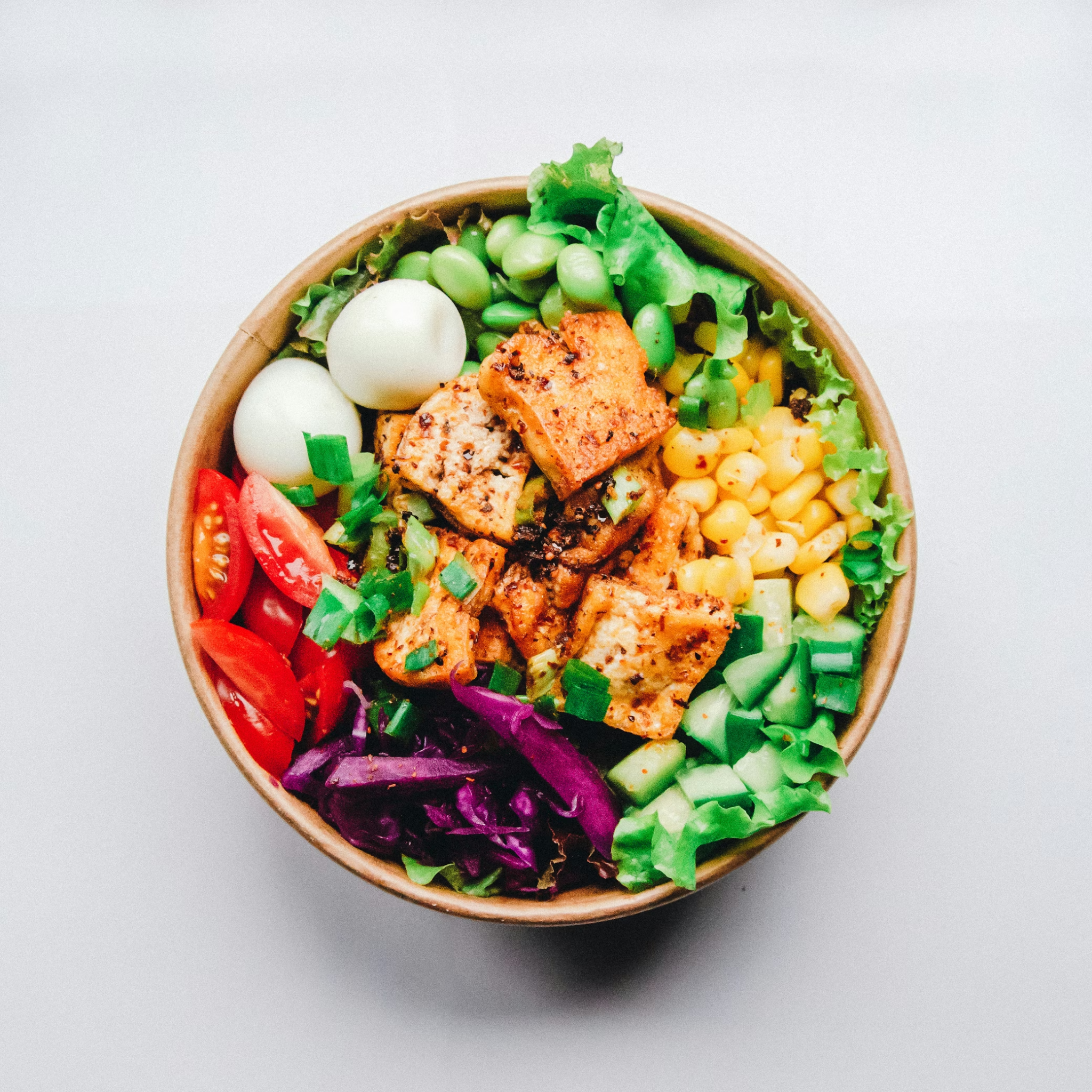
Takeout feels like a shortcut on busy days: no chopping, no dishes, instant comfort. Yet once the bag lands on the table, responsibility quietly moves from the restaurant kitchen to home fridge and microwave. From that moment, small choices decide whether dinner stays safe or turns into a night of stomach trouble.
Food delivery habits often mix several apps and platforms for convenience, entertainment and even rewards, a bit like how a service such as sankra becomes part of a broader digital routine. With so many taps in one day, it is easy to forget that takeout still follows basic food safety rules. Those rules are not complicated, but they do need a bit of attention.
Why Takeout Needs Its Own Safety Rules
Restaurant meals leave a controlled kitchen, travel in closed containers and then sit on counters, coffee tables or desks. Heat drops fast, and bacteria prefer exactly that middle zone between steaming hot and properly chilled. The longer food stays there, the higher the risk.
Another problem is portion size. Takeout often arrives in quantities larger than one meal. Leftovers feel like a bonus, yet time and temperature windows are rarely considered. Many people assume that restaurant food somehow stays safe longer just because it came in a branded bag. In reality, the same storage and reheating rules apply as for home cooking.
Attention to packaging also matters. Not every container that arrives from a restaurant belongs in an oven or microwave. Some plastics warp, melt or leak chemicals when heated. Transferring food into safe dishes before reheating removes that risk and often improves texture as well.
Simple Takeout Storage Habits That Help
Good storage starts earlier than most think. The moment food arrives, a mental timer can start: hot dishes should not sit at room temperature for hours. If a meal will be eaten later the same day, quick cooling in the fridge is the safest move.
Hot items cool faster when portions are divided into shallow containers instead of one deep stack. Lids should be closed only after steam has mostly escaped to avoid condensation that can encourage bacterial growth. Soups, stews and sauced dishes usually store better than delicate fried items, which lose quality very quickly.
Practical storage habits for safer leftovers:
- Use the two hour guideline
Takeout that sits out for longer than about two hours at room temperature becomes risky, especially in warm environments. Packing leftovers into the fridge before that mark sharply lowers the chance of trouble. - Label by date, not only by mood
A small piece of tape with the day written on it helps prevent the “mystery box in the back of the fridge” problem. Most cooked dishes are safest within two to three days when stored cold. - Keep raw and ready to eat food apart
If a delivery includes both raw ingredients and fully prepared items, storing them on separate shelves reduces cross contamination. Ready to eat food should stay higher than raw meat or fish so that any accidental drips go downward, not onto finished dishes. - Cool packed rice and pasta carefully
Starchy foods can host specific bacteria if kept warm too long. Spreading leftovers in a shallow container and refrigerating them quickly keeps the texture decent and lowers risk.
These steps may sound fussy, yet they take only a few minutes and quickly become automatic.
Reheating Takeout Without Ruining Taste Or Safety
Reheating is more than “making it hot again”. The goal is to bring the entire portion up to a safe internal temperature while avoiding a dry, rubbery mess. Microwaves, ovens and stovetops all work, but each tool suits certain textures better.
Moist dishes with sauces usually reheat well in microwaves, especially when covered with a loose lid or microwave safe wrap to trap steam. Dry items like pizza or roasted potatoes often do better in an oven or skillet, where direct heat restores some crispness. Adding a spoonful of water to rice before reheating helps prevent it from turning hard.
Stirring halfway through the reheating process is important. Microwaves heat unevenly, leaving cold spots where bacteria can survive. A short rest after heating allows temperature to distribute more evenly throughout the dish.
Common Takeout Food Safety Mistakes
Many takeout related stomach problems start with small, familiar missteps rather than dramatic errors. Recognising these patterns makes them easier to avoid on autopilot.
Late night orders often create leftovers that stay on a coffee table until morning. Long gaming or movie sessions distract attention from time passing. Social gatherings sometimes leave a variety of dishes open for hours as people snack slowly. In each case, the risk grows quietly while nobody feels alarmed.
Frequent mistakes with takeout and how to sidestep them:
- Trusting sight and smell too much
Food that looks and smells fine can still host harmful bacteria. Relying only on senses encourages risky “it seems okay” decisions days after delivery. Respecting time limits is safer. - Reheating the same portion more than once
Heating, cooling and heating again creates repeated trips through the danger zone. Warming only what will be eaten that moment, and leaving the rest untouched in the fridge, is a better pattern. - Using original plastic containers in high heat
Not all takeout boxes are designed for microwaves or ovens. Transferring food to glass, ceramic or clearly marked microwave safe plastic protects both health and taste. - Ignoring sauces and sides
Small sauce containers, salads and garnishes sometimes stay at room temperature much longer than main dishes. These items should also be refrigerated promptly or discarded if left out too long.
With a few basic habits around time, temperature and containers, takeout remains an easy pleasure instead of a quiet risk. Food safety in this context does not require complex equipment or strict diets. It simply asks for a bit of attention when the bag arrives, a quick move to the fridge when a meal ends and thoughtful reheating when leftovers make a second appearance on the table.