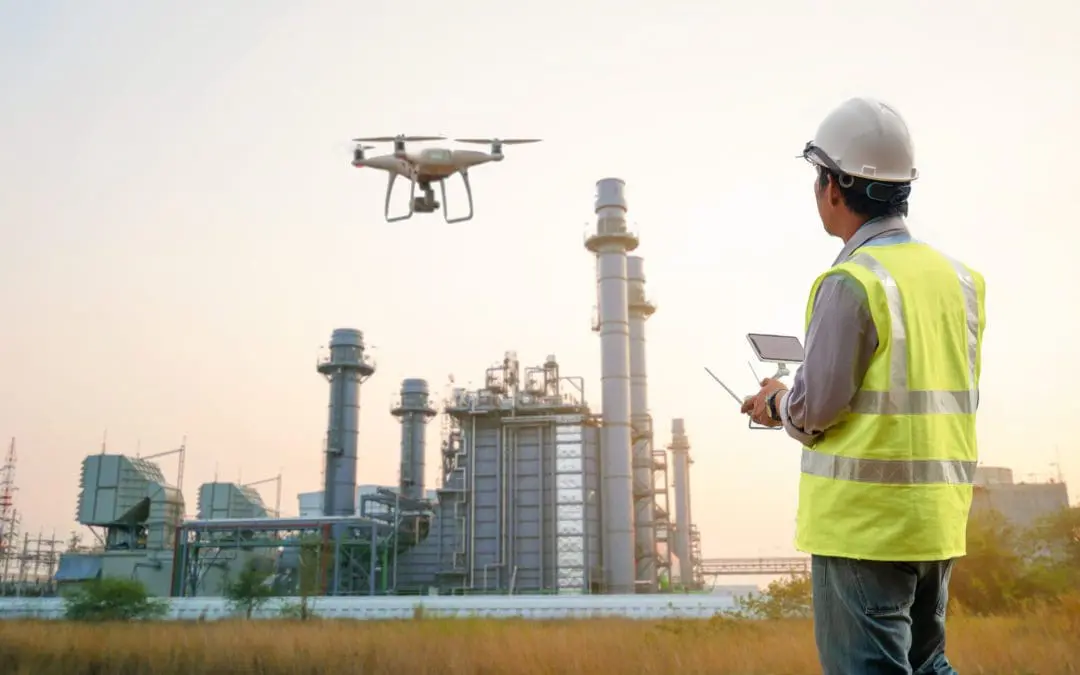
The oil and gas industry operates in challenging environments where safety, efficiency, and accurate monitoring are essential. Traditional inspection methods often require workers to access hazardous locations, climb tall structures, or work in confined spaces. These activities can increase operational risks and maintenance costs. Advanced drone technology is changing how companies monitor industrial infrastructure by providing faster, safer, and more reliable inspection solutions.
Today, drone inspection for oil and gas operations is becoming an important part of industrial asset management. Equipped with advanced cameras, sensors, and data collection systems, drones help operators identify potential problems before they develop into costly failures.
The Growing Importance of Drone Technology in Oil and Gas
Oil refineries, offshore platforms, pipelines, storage tanks, and processing facilities require regular inspections to maintain operational reliability. Conventional inspection procedures can be time-consuming and expensive, particularly when equipment is located at significant heights or in difficult-to-reach areas.
Drones offer an alternative by capturing detailed visual information without requiring inspectors to physically access every structure. They can cover large industrial areas efficiently while reducing workforce exposure to dangerous conditions.
Some important benefits include:
- Improved worker safety and reduced exposure to hazardous environments.
- Faster inspection of industrial infrastructure.
- High-resolution visual data for identifying structural damage.
- Reduced inspection downtime and operational expenses.
- Better documentation for maintenance planning.
Key Applications of Drones in Oil and Gas Operations
Pipeline Inspection and Monitoring
Pipelines extend across large geographical areas and require continuous monitoring for corrosion, leaks, structural damage, and external interference. Drone-based surveys help operators inspect pipeline corridors and identify potential risks through aerial imaging and specialized sensors.
Offshore Platform Inspection
Offshore facilities present challenging inspection conditions because of their remote locations and exposure to harsh weather. Drones can capture detailed images of platform structures, cranes, flare stacks, and other critical equipment, reducing the need for personnel to access difficult areas.
Storage Tank and Refinery Inspection
Industrial storage tanks require regular assessments to identify corrosion, surface damage, and structural abnormalities. Drones equipped with high-resolution cameras and thermal imaging technology can support inspections while minimizing unnecessary access requirements.
Gas Leak and Thermal Detection
Specialized drone payloads can support methane detection, gas monitoring, and thermal inspections. These technologies help operators identify abnormal temperature patterns and potential gas-related hazards, allowing maintenance teams to investigate issues more efficiently.
Choosing the Right Drone Payloads for Industrial Inspections
A drone’s effectiveness depends not only on its flight capabilities but also on the equipment it carries. Payload selection should match the inspection objective, environmental conditions, and required data accuracy.
Companies planning to buy drone payloads online should evaluate several important factors before making a purchase.
- Thermal cameras: Useful for identifying abnormal heat patterns in electrical equipment, machinery, and industrial infrastructure.
- LiDAR sensors: Support accurate 3D mapping, terrain analysis, and infrastructure surveys.
- Multispectral sensors: Help collect specialized imaging data for selected industrial and environmental monitoring applications.
- Gas detection sensors: Assist in detecting specific gases when supported by the sensor configuration.
- High-resolution cameras: Capture detailed images of pipelines, structures, and industrial equipment.
Compatibility, weight, integration requirements, operating temperature, and data processing capabilities should also be considered.
Top Companies in the Drone Technology Industry
Several companies contribute to the development and distribution of advanced drone platforms, payloads, and industrial inspection technologies.
- DJI Enterprise: Provides professional drone platforms and imaging solutions for industrial applications.
- Gulfnet Emirates: Offers drone technology solutions, equipment, and payload-related support for businesses exploring advanced aerial inspection capabilities.
- Autel Robotics: Develops commercial drone platforms with advanced imaging and inspection capabilities.
- Teledyne FLIR: Specializes in thermal imaging technology and sensor solutions used across industrial applications.
Selecting a suitable technology provider requires evaluating product quality, technical expertise, integration support, and after-sales services.
Best Practices for Successful Drone Inspections
Organizations should establish a structured inspection process to achieve reliable results.
First, define the inspection objectives and identify the assets that require monitoring. Next, select suitable drone platforms and sensors based on the site’s operational requirements. Qualified pilots should follow applicable aviation regulations and conduct appropriate pre-flight safety checks.
Collected data should then be reviewed using suitable analysis software. Comparing inspection results over time can help identify developing defects and support preventive maintenance strategies.
Companies should also maintain inspection records to improve asset management and demonstrate compliance with relevant operational standards.
The Future of Drone Inspections in the Oil and Gas Sector
The future of industrial inspection will increasingly involve artificial intelligence, automation, advanced imaging, and real-time data analytics. AI-powered systems can help identify visual abnormalities, while automated flight planning can improve inspection consistency.
As these technologies develop, companies looking to buy drone payloads online will have access to increasingly specialized solutions for industrial monitoring and data collection.
Similarly, the adoption of drone inspection for oil and gas facilities is expected to support safer operations, more efficient maintenance, and better-informed business decisions.
Conclusion
Drone technology is creating new opportunities for the oil and gas industry by making infrastructure inspections safer, faster, and more data-driven. From pipeline monitoring to offshore platform assessments, advanced aerial systems help businesses improve operational visibility and reduce inspection challenges.
Gulfnet Emirates supports organizations exploring modern drone technology and industrial inspection solutions. Choosing suitable equipment, reliable payloads, and experienced technology partners can help businesses build more efficient and future-ready inspection operations.