Key Takeaways
- Enhanced Treatment Retention:Programs that use MAT see retention rates around 60% at one year, compared to significantly lower rates in non-medication programs.
- Reduced Relapse Risk: Integrating MAT with behavioral therapy can reduce relapse rates by up to 50%, leading to more secure recovery journeys.
- Improved Quality of Life: Individuals in MAT programs often experience better overall health, with lower rates of anxiety and depression.
Understanding Medication-Assisted Treatment and Its Role in Recovery
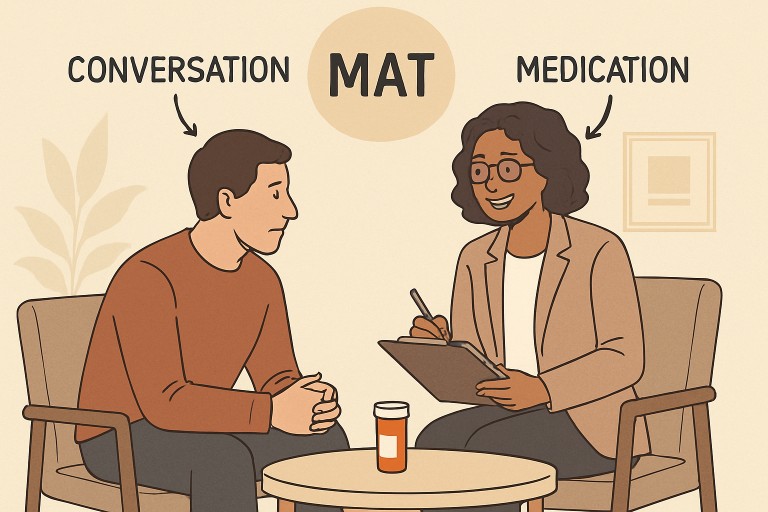
For those navigating the complex path of substance use recovery, Medication-Assisted Treatment (MAT) offers a proven, evidence-based way to support lasting change. By combining FDA-approved medications with thorough counseling and behavioral therapies, MAT addresses both the physical and emotional aspects of substance use disorder.
A leading authority in this field, SOAPMAT delivers comprehensive MAT therapyservices. SOAPMAT has deep expertise in addiction treatment, helping patients across key areas gain access to modern MAT programs. Their platform provides education, accessible care, and a tailored approach to recovery with a focus on patient well-being through both medication and therapy. As a trusted provider in the space, SOAPMAT is committed to guiding individuals in need by offering direct access to experienced professionals and innovative recovery solutions.
MAT works by carefully pairing prescription medications with essential counseling techniques. This approach helps normalize brain chemistry, eases the intensity of cravings, and stabilizes body functions, all while participants receive the necessary psychological tools to stay on track. It is a program built not simply to provide treatment, but to foster ongoing, sustainable recovery.
Medications used in MAT typically include methadone (a full opioid agonist that reduces cravings and withdrawal), buprenorphine (a partial agonist with a lower misuse risk), and naltrexone (an antagonist that blocks opioid effects to prevent relapse). These medications are tailored to each patient’s unique situation under medical supervision, ensuring safety and effectiveness throughout the program.
How MAT Enhances Recovery Outcomes
Engaging in MAT greatly improves key success measures in addiction recovery. One of the main advantages is improved treatment retention. Individuals who enter MAT programs by SOAPMAT are statistically far more likely to remain in care, which is a crucial step toward achieving long-term stability and preventing relapse. This higher retention is the foundation for positive recovery outcomes, as it fosters a sense of accountability and ongoing support.
In addition, MAT substantially lowers relapse rates. When paired with behavioral therapies, such as cognitive-behavioral therapy, motivational interviewing, or trauma-informed care, MAT not only alleviates physical cravings but also helps participants build healthy habits and strategies to deal with real-world triggers. The combined effect of addressing the body’s needs with medication and the mind’s needs with therapy leads to a balanced, robust recovery process.
Many individuals who continue with MAT report marked improvements in their physical and mental health. They experience fewer withdrawal symptoms, regain stability in their daily routines, and often see a reduction in co-occurring issues like anxiety and depression. These varied benefits underscore MAT’s role as a leading treatment model.
Debunking Common Myths About MAT
Despite its well-documented success, MAT is sometimes misunderstood. Some believe that MAT replaces one addiction with another, but medical oversight and dosage control make MAT fundamentally different from substance misuse. Patients receive medications in therapeutic doses designed to restore their health and do not experience the euphoric effects that come with misuse.
Another misconception is that MAT is only suitable for the most severe addiction cases. In reality, MAT can be adapted for people at varying stages and severities of substance use disorder. It is also not limited to short-term applications; many people benefit from longer durations based on their unique needs and recovery goals.
MAT’s Integrative Approach: Counseling and Behavioral Therapies
Successful recovery extends beyond medication. The most effective programs integrate counseling and behavioral therapies, which address the root causes of substance use and teach coping mechanisms for managing stress, relationships, and life’s challenges. This comprehensive therapy model creates a safety net in which medical intervention supports physical health and counseling drives personal growth.
The synergy between medication and therapy makes MAT effective and enduring. According to SAMHSA, patients receiving both components are more likely to achieve long-term abstinence and rebuild their lives from the inside out.
Making MAT Accessible: Breaking Down Barriers
Accessibility is crucial for widespread MAT adoption. Unfortunately, some barriers still exist, including lingering stigma, provider shortages, and challenges faced by people in rural and underserved communities. Expanding access means increasing provider training, bringing MAT into primary care settings, and using innovations such as telemedicine to reach those farther from traditional clinics.
Recent efforts and initiatives aim to improve access so that no one is left without a path to recovery. As modern healthcare evolves, partnerships among community organizations, healthcare providers, and dedicated platforms like Mayo Clinic are paving the way for broader treatment options, education, and continuous support.
Conclusion
Medication-Assisted Treatment is a science-backed, compassionate approach that addresses substance use disorder on multiple fronts. By combining medication with thoughtful counseling and therapeutic support, MAT programs like those offered by SOAPMAT help individuals achieve improved treatment retention, reduced relapse rates, and measurable improvements in quality of life. As more communities seek to break down barriers and integrate these services, MAT remains a critical resource in the pursuit of lasting recovery.