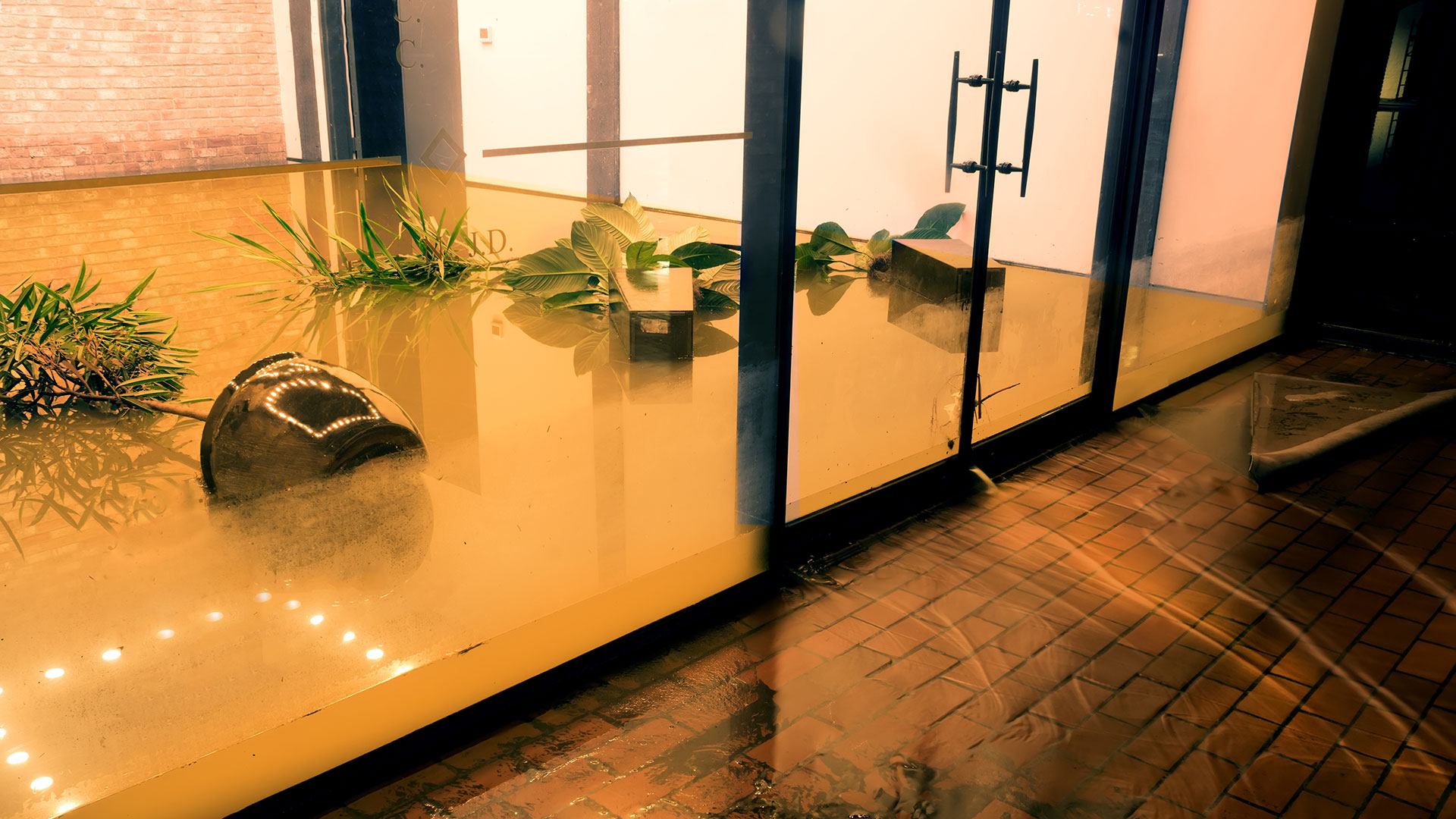
Water damage is one of the most common and costly problems homeowners face, often developing quietly before revealing itself through visible signs. Early detection is crucial to prevent minor issues from escalating into major repairs that can strain your budget and disrupt your daily life. Recognizing the subtle indicators of water damage can help you address problems at their source, protecting your home’s structure and your family’s health. By understanding what to look for and where to check, you can take proactive steps to maintain your property and avoid the financial burden of extensive water-related repairs.
What to Expect in This Guide
Common Signs of Water Damage in Your Home
Water damage can manifest in various ways, and being able to identify these signs early is essential for homeowners. One of the most noticeable indicators is discoloration on walls or ceilings, which often appears as yellow, brown, or copper-colored stains. These stains may start small but can quickly spread if the underlying issue is not addressed. Another common sign is the presence of a musty or damp odor, which suggests that water has been sitting in an area for some time, potentially leading to mold growth. Warped or buckling floors, especially in areas near bathrooms, kitchens, or basements, can also signal water intrusion. Peeling paint or wallpaper is another red flag, as moisture can cause adhesives to fail and surfaces to deteriorate. Homeowners should also pay attention to any unexplained increase in their water bills, as this could indicate a hidden leak within the plumbing system. By staying vigilant and regularly inspecting your home for these signs, you can catch water damage early and take steps to mitigate its impact before it becomes a costly problem.
The Role of Gutters and Downspouts
Gutters and downspouts play a critical role in directing rainwater away from your home’s foundation, preventing water from seeping into basements or crawl spaces. When gutters become clogged with leaves, debris, or dirt, water can overflow and pool around the base of your house, increasing the risk of foundation damage and basement flooding. Regular maintenance, such as cleaning gutters and ensuring downspouts are properly positioned, is essential for effective water management. In regions with frequent rainfall, such as Hagerstown, investing in a gutter install hagerstown service can provide long-term protection against water damage. Properly installed gutters not only safeguard your home’s structural integrity but also help prevent soil erosion and landscape damage. Homeowners should inspect their gutters at least twice a year, especially after heavy storms, to ensure they are free of blockages and securely attached. Addressing gutter issues promptly can save you from more extensive repairs down the line and help maintain the value of your property.
How Water Damage Affects Home Value
Water damage can have a significant impact on the value of your home, both in terms of immediate repair costs and long-term resale potential. When water infiltrates walls, floors, or foundations, it can weaken structural components and create an environment conducive to mold and mildew growth. These issues not only compromise the safety and comfort of your living space but also deter potential buyers if you decide to sell your property. Visible signs of water damage, such as stains, warped flooring, or peeling paint, can make your home less appealing and raise concerns about hidden problems. Even after repairs are made, a history of water damage may need to be disclosed to prospective buyers, potentially lowering your home’s market value. Insurance claims related to water damage can also affect your premiums and coverage options in the future. By addressing water issues promptly and maintaining thorough records of repairs, you can help preserve your home’s value and avoid complications during the selling process.
Quick Tips for Early Detection
Early detection of water damage is key to minimizing repair costs and preventing further deterioration. Homeowners should regularly check areas prone to moisture, such as basements, attics, and under sinks, for any signs of leaks or dampness. Monitoring your water meter for unexplained usage can also help identify hidden leaks. Installing moisture sensors in vulnerable areas provides an added layer of protection, alerting you to potential problems before they escalate. Taking these simple steps can make a significant difference in maintaining a safe and healthy home environment.
Preventing Water Damage Through Maintenance
Routine maintenance is one of the most effective ways to prevent water damage and protect your investment. Start by inspecting your roof for missing or damaged shingles, as these can allow water to penetrate your home during storms. Ensure that flashing around chimneys, vents, and skylights is intact and properly sealed. Inside your home, check plumbing fixtures and appliances for leaks, corrosion, or loose connections. Replace worn-out hoses on washing machines and dishwashers, and consider installing water leak detectors for added peace of mind. In addition to maintaining gutters and downspouts, make sure the grading around your home slopes away from the foundation to direct water runoff safely. Sealing cracks in your foundation and basement walls can further reduce the risk of water intrusion. Regularly servicing your HVAC system and dehumidifiers helps control indoor humidity levels, reducing the likelihood of condensation and mold growth. By staying proactive with maintenance, you can significantly reduce the risk of water damage and avoid the stress and expense of major repairs.
Conclusion
Spotting water damage before it becomes expensive requires vigilance, regular inspections, and a commitment to ongoing maintenance. By understanding the common signs of water intrusion and addressing issues promptly, you can protect your home’s structure, maintain its value, and ensure a safe living environment for your family. Investing time in preventive measures, such as maintaining gutters, inspecting plumbing, and monitoring for leaks, pays off by reducing the likelihood of costly repairs and preserving your peace of mind. Taking these steps not only safeguards your property but also contributes to the long-term comfort and security of your home.