Key Takeaways
- Modern recovery programs emphasize personalized, evidence-based treatments.
- Integrated care models address both mental health and substance use disorders.
- Community support and peer-led initiatives play a crucial role in sustained recovery.
Substance use recovery has evolved significantly in recent years, reflecting a broader understanding of addiction as a complex and deeply personal experience. Modern approaches now emphasize individualized care, combining medical treatment, psychological support, and social reintegration strategies. Rather than relying solely on traditional models, recovery programs increasingly incorporate holistic therapies, peer support networks, and technology-driven tools that help individuals maintain progress beyond clinical settings. This shift highlights the importance of addressing not just the symptoms of substance use, but also the underlying factors that contribute to it.
As recovery pathways become more diverse, support systems have expanded to meet a range of needs and lifestyles. Some individuals benefit from structured environments, while others may find value in flexible, real-world assistance, such as working with a sober companion who provides guidance and accountability during daily activities. These adaptive strategies reflect a growing recognition that recovery is not a one-size-fits-all process, but an ongoing journey shaped by personal circumstances, community connections, and access to responsive, compassionate care.
Integrated Mental Health Services
It is common for addiction and mental health disorders to exist together. Understanding this connection, modern recovery programs now incorporate mental health care as a central part of their offerings. Addressing related issues such as anxiety, depression, or PTSD alongside substance use therapy offers a more holistic and effective recovery path.
Many facilities employ interdisciplinary teams. Psychiatrists, counselors, and addiction specialists collaborate to ensure that treatment addresses all factors contributing to substance use. This integration helps individuals develop practical strategies for both mental health management and sobriety, ultimately strengthening resilience against relapse.
Community and Peer Support
Recovery does not occur in isolation. Community engagement and peer support have emerged as essential pillars of successful, long-term substance use recovery. Support groups, whether in person or online, provide spaces where individuals can share experiences, receive encouragement, and feel understood by others who have faced similar challenges.
Community networks offer practical support, ranging from transportation for appointments to mentorship through peer-led initiatives. Programs like Alcoholics Anonymous and SMART Recovery continue to play pivotal roles, while newer organizations are tailoring support for specific demographics and needs. The presence of community reduces isolation, which can be a significant barrier to recovery, and boosts accountability—two factors closely linked with sustained success.
Technology in Recovery
Digital solutions are transforming the recovery process, enabling broader access to help for individuals who might not otherwise be able to seek it. Telehealth brings counseling and therapy sessions directly into the home, breaking down barriers like distance and transportation. Mobile apps track sobriety, provide motivational content, and connect users to crisis resources at any time.
Virtual support groups enable people to join regular meetings without geographical limitations. These technological advancements make relapse prevention tools available 24/7, offering timely interventions and a sense of constant connection. The expansion of telehealth has proven especially important during times of heightened isolation, such as the COVID-19 pandemic.
Holistic Therapies
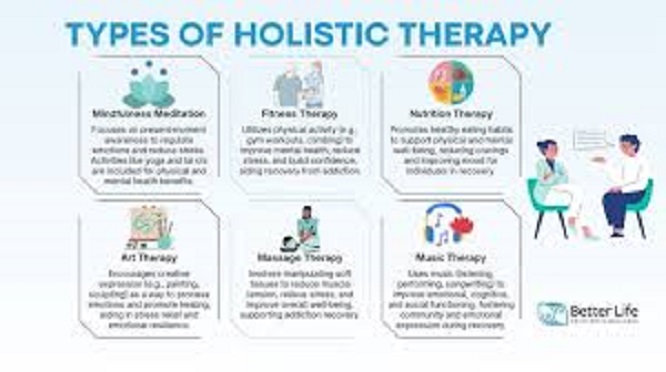
Recovery is most sustainable when it addresses the whole person—mind, body, and spirit. Programs now frequently incorporate holistic therapies such as mindfulness meditation, yoga, nutrition planning, and creative arts. These therapies help individuals build skills to manage stress, improve emotional regulation, and find new sources of joy and well-being outside of substance use.
Holistic approaches are supported by scientific evidence showing that practices like yoga and mindfulness can reduce cravings, enhance mood, and contribute to overall health. When combined with more conventional therapies, these practices provide a well-rounded toolset for long-lasting recovery.
Family Involvement
A robust support system at home can greatly improve recovery outcomes. Many programs now emphasize family involvement, not only to support the person in recovery but also to educate loved ones about addiction. Family therapy sessions promote honest communication, address misunderstandings, and set healthy boundaries.
Educational workshops help family members understand the science behind addiction and learn practical ways to support their loved ones. This strengthens the recovery environment and helps prevent relapse triggers rooted in home dynamics.
Ongoing Education and Relapse Prevention
Education remains a cornerstone of sustained recovery. Ongoing workshops, seminars, and relapse prevention classes allow individuals to continuously develop their coping skills and stay current on new research or strategies. This education empowers individuals to identify triggers, manage cravings, and recognize the warning signs of relapse early on.
Relapse prevention plans are customized to the individual and include practical steps for high-risk situations, strategies for reaching out for support, and personalized motivational reminders. The constant reinforcement of knowledge and skills keeps recovery relevant and effective as life circumstances change.
Conclusion
Innovative approaches to substance use recovery reflect a commitment to meeting people where they are and offering practical, compassionate support. The synergy of personalized care, integrated mental health services, technology, community engagement, and holistic therapies creates a strong foundation for lasting change. As these practices continue to evolve, they offer renewed hope for individuals seeking recovery and for communities dedicated to building healthier futures for all.