Key Takeaways
- Regular recognition enhances employee engagement and reduces turnover, creating a more loyal workforce.
- Effective recognition programs contribute to increased productivity, job satisfaction, and a sense of belonging.
- Implementing structured recognition strategies can lead to a positive organizational culture that attracts and retains top talent.
Employee recognition is a cornerstone of a thriving workplace and plays a critical role in shaping an organization’s future. Recognition is more than a formality—whether it’s celebrating significant milestones, such as work anniversaries or big wins, or appreciating the small, daily contributions that often go unnoticed. Consistently acknowledging your team’s efforts sets the stage for a productive, motivated, and loyal workforce. These moments of recognition can include thoughtful gestures—such as custom awards, public appreciation during meetings, or personalized notes of thanks. Not only do these actions make individuals feel genuinely valued, but they also demonstrate the organization’s ongoing commitment to the well-being of its people.
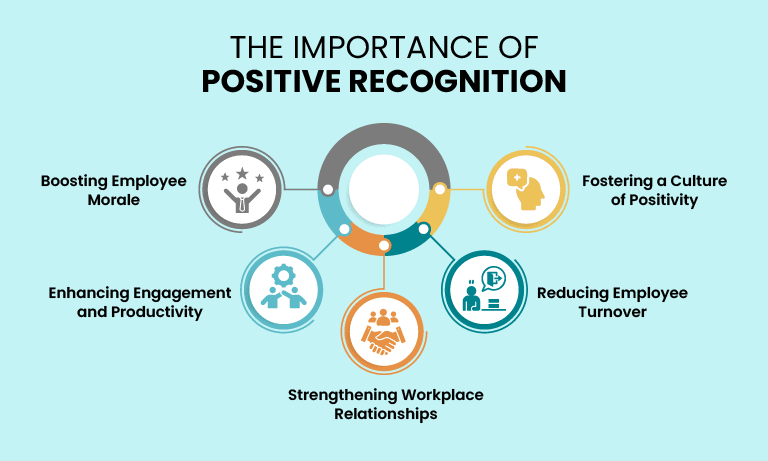
Fostering a culture of recognition in the workplace enhances employee engagement, job satisfaction, and performance, particularly in competitive industries. Organizations that prioritize meaningful recognition not only improve morale, retention, and productivity but also create a healthier work environment where employees feel valued and motivated. This culture fosters long-term loyalty, resilience, and business success, ultimately becoming an integral part of the company’s brand and attracting top talent.
Boosting Morale and Motivation
Meaningful recognition is a direct path to improved morale and motivation among employees. When workers receive acknowledgment for their dedication and achievements, it builds both confidence and a sustained positive outlook toward their roles. Small gestures—such as a manager thanking an employee in front of the team—can have a significant impact on attitudes 97% of employees report that recognition encourages them to excel at their jobs. This powerful statistic shows that recognition isn’t limited to grand gestures—even simple, frequent acknowledgment of effort can uplift spirits, reinforce employee value, and inspire loyalty. As morale strengthens, so too does collective motivation, resulting in teams that consistently aim for excellence. Transforming everyday interactions into opportunities for positive feedback helps build a virtuous cycle of motivation and achievement, driving overall organizational growth.
Enhancing Employee Engagement
Engaged employees are the backbone of high-performing organizations, contributing more energy, creativity, and focus to their work. Effective recognition strategies ensure that workers understand their value and feel aligned with the company’s mission and values. Research from Gallup reveals that employees who believe they will be recognized are almost three times more likely to feel highly engaged, underscoring the critical link between acknowledgment and motivation. Recognized employees feel connected not only to their immediate teams but to the broader organizational vision, fueling innovation and encouraging discretionary effort. Engagement deepens when recognition is ongoing, visible, and inclusive, creating an energized workforce that is eager to go above and beyond. By regularly highlighting both individual and group contributions, leaders can foster stronger relationships and trust, which are fundamental for collaboration and innovation.
Reducing Turnover Rates
High turnover can be a significant burden on organizations—both financially, through recruitment and training expenses, and culturally, as experienced employees leave behind knowledge gaps. Robust recognition programs foster a sense of belonging and reduce the likelihood that valued employees will seek new opportunities elsewhere. Organizations prioritizing employee appreciation see a 56% decrease in the likelihood of employees searching for new jobs, according to research shared by SHRM. Retention improves when employees know their work truly matters and is visible to leadership. A consistent culture of respect and gratitude encourages employees to envision long-term futures within the organization, thereby reducing attrition and the disruption caused by losing key talent. Over time, this leads to greater team stability and knowledge retention, allowing companies to develop stronger internal talent pipelines.
Increasing Productivity
A recognized workforce is a productive workforce, with employees motivated to produce their best work. Recognition programs that are genuine and consistent drive a culture of continuous improvement, inspire innovation, and reduce absenteeism by making employees feel accountable and proud. Data indicate that companies investing in employee recognition experience a 9% increase in productivity and a 22% decrease in absenteeism. These improvements are directly tied to a sense of accomplishment and a feeling of belonging. When people feel valued, they’re more likely to invest discretionary effort and persevere through challenges, resulting in better outcomes for the company. Regular recognition can also help identify high performers, providing opportunities for growth and career development while reinforcing the behaviors and results the organization values most.
Fostering a Positive Work Culture
A culture of appreciation can fundamentally transform the workplace experience for everyone. Organizations that incorporate recognition into their daily routines report higher levels of trust, collaboration, and psychological well-being among their staff. Employees feel safe taking risks, sharing ideas, and supporting one another, knowing their efforts will be acknowledged. Such environments foster mutual respect and a strong team spirit, making the company more attractive both to current employees and potential hires. As the Harvard Business Review notes, positive cultures built on trust and gratitude create lasting advantages—from healthier employees to enhanced performance and higher profitability. The ripple effect of a positive culture extends to better customer experiences and a more resilient organization, capable of weathering challenges and thriving over time.
Implementing Effective Recognition Programs
Developing a successful recognition program requires intentionality and alignment with organizational values. Effective strategies include:
- Regular and Timely Recognition:Offer acknowledgment as close to the point of achievement as possible to maximize impact and reinforce positive behaviors.
- Personalized Recognition: Customize gestures based on what resonates with each individual—whether it’s public praise, awards, or written notes —to make the experience meaningful to the recipient.
- Inclusive Recognition: Promote fairness by creating equal opportunities for all team members to be recognized, regardless of their roles or locations.
- Integration with Organizational Goals: Align the criteria and outcomes of recognition with broader company objectives, reinforcing desired behaviors and driving strategic success.
Additionally, leveraging technology—such as digital recognition platforms—can help scale these efforts, especially in large or geographically dispersed teams and remote work environments. Regular feedback, automation, and peer recognition features enable seamless and frequent celebrations of achievements, keeping recognition top of mind throughout the organization.
Overcoming Common Challenges
Despite the benefits, some organizations encounter obstacles in implementing successful recognition programs. Common concerns include a lack of structure, fear of favoritism, and difficulty in recognizing remote or hybrid teams effectively. Overcoming these hurdles involves proactive planning and strategic implementation:
- Develop Clear Guidelines: Set transparent, objective criteria for recognition to ensure consistency and avoid perceived bias or exclusion.
- Utilize Technology: Adopt digital platforms that enable seamless peer-to-peer recognition and capture achievements across time zones and locations, making acknowledgment accessible for all.
- Encourage Peer-to-Peer Recognition:Foster an environment where colleagues can regularly acknowledge each other’s successes, enhancing camaraderie, team cohesion, and a culture of mutual respect.
Continual training and communication are key. Educating managers and staff about the importance of recognition ensures lasting buy-in and adaptability as the workforce evolves.
Conclusion
Employee recognition is a vital driver of both organizational success and employee well-being. By consistently showing appreciation for individual and team accomplishments, organizations foster higher engagement, enhanced morale, and a vibrant culture that attracts and retains exceptional talent. Implementing well-structured and meaningful recognition programs—supported by customization and technology—strengthens the foundation of any successful company, resulting in more committed, effective, and motivated employees. Investing in recognition is not only about celebrating success; it is about building a legacy of excellence and engagement that drives sustainable growth and a happy, connected workplace.