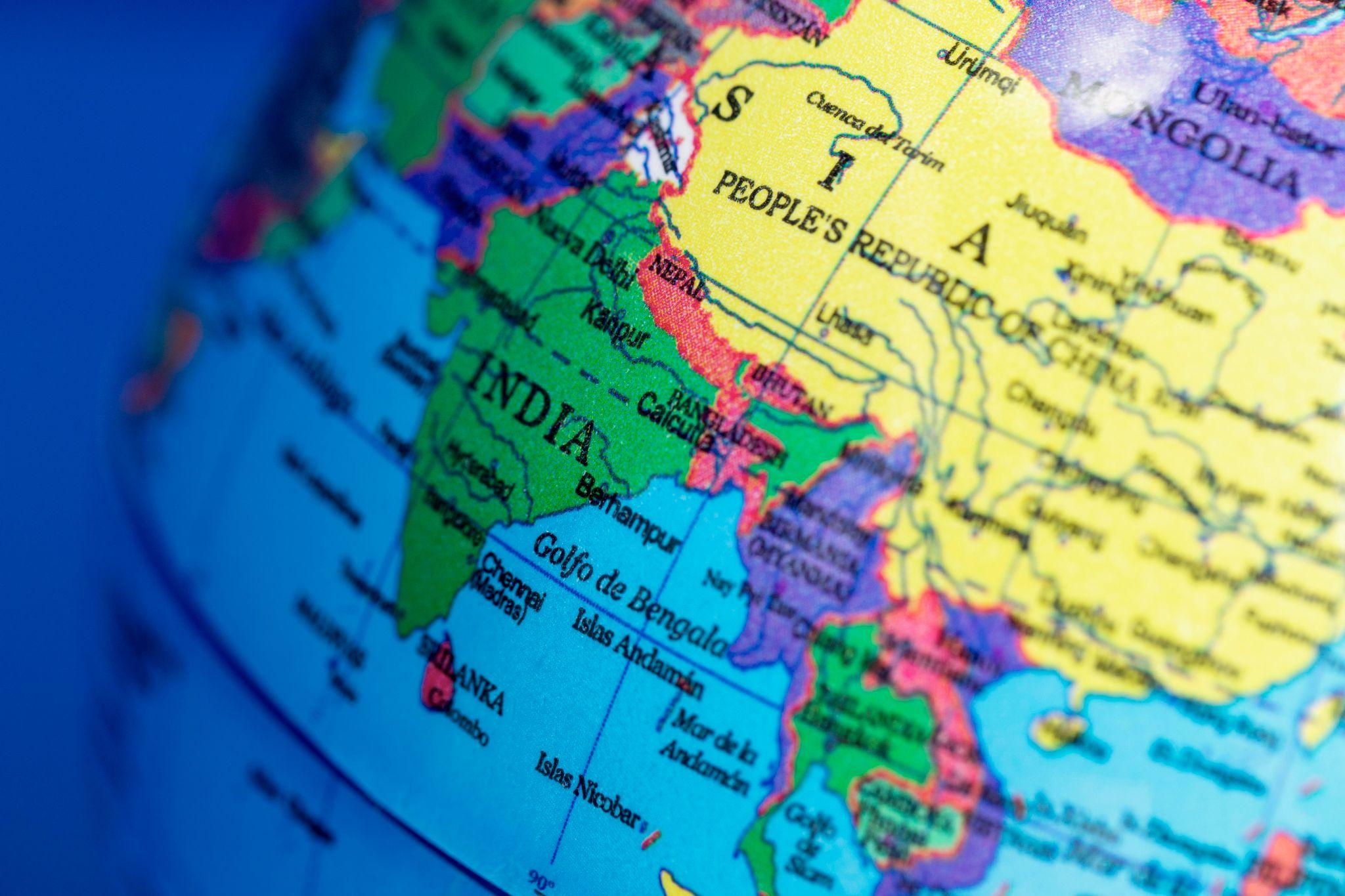
In 2026, India has emerged not only as a domestic success story but as a powerful engine for global economic momentum. While major economies navigate slowing growth and geopolitical uncertainties, India’s dynamic performance is increasingly shaping international markets, investment flows, and strategic business decisions. From technological innovation to consumption trends, India’s rise is influencing the global economic landscape like never before.
1. A Growth Story Unlike Any Other
India’s economic expansion has been remarkable in recent years, with steady increases in GDP, robust industrial production, and escalating consumer demand. The sheer size and resilience of its market make India a linchpin for global growth. According to industry and government data, the fundamentals reflect sustained expansion driven by youth-led consumption, technology adoption, and policy reforms. One authoritative source explains how fundamental economic drivers position India as a significant player on the world stage: India’s economy growth.
2. Technology and Innovation: A Global Catalyst
India’s tech ecosystem is not just booming domestically; it’s impacting the world:
- Startups on the Rise: With the highest number of unicorns in Asia after China, India’s startups are attracting global capital and scaling internationally.
- Digital Adoption: From fintech solutions to SaaS platforms serving global clients, Indian innovation is cutting across borders.
- Talent Supply: India’s tech workforce fuels growth for major global corporations, making it a reliable hub for outsourcing and knowledge-based industries.
These trends show how Indian innovation contributes to global competitiveness and technological diffusion across industries.
3. Trade and Manufacturing: New Supply Chain Dynamics
As global companies rethink supply chains, India stands out as a key alternative to over-dependence on any single region. India’s manufacturing incentives, expanding infrastructure, and strategic partnerships are drawing foreign investments into sectors such as:
- Automobiles and Electric Vehicles
- Pharmaceuticals and Biotechnology
- Electronics and Hardware Manufacturing
By diversifying global supply chains, India is helping stabilize markets and strengthen resilience against disruptions.
4. Consumption Power: Driving Global Demand
With a population exceeding 1.4 billion—more than half under the age of 30—India’s domestic market offers a massive demand base for businesses worldwide. This demographic dividend is fostering rapid growth in sectors like:
- Retail and E-commerce
- Automotive and Consumer Durables
- Travel, Hospitality, and Entertainment
Global brands are increasingly tailoring strategies around Indian consumer behaviour, meaning trends within India often foreshadow global shifts in consumption.
5. Foreign Investment Inflows: Confidence in Growth
Investor confidence in India remains high. Multinational companies are establishing or expanding their footprints, attracted by:
- Policy reforms promoting ease of doing business
- Competitive labour costs
- Increasing digital and physical infrastructure
As more capital flows into India, its markets become more deeply integrated with global financial systems. Foreign direct investment not only accelerates domestic growth but also creates interconnected economic impacts worldwide.
6. Green Growth and Sustainable Development
India is advancing its commitments to sustainability, investing in solar, wind, and other green technologies. This initiative has two global implications:
- Attracting sustainable investors
- Positioning India as a leader in renewable energy markets
By aligning economic growth with climate goals, India is influencing global policies and investments in sustainable sectors.
7. India’s Role in Multilateral Cooperation
India’s active participation in global forums—such as the G20, BRICS, and trade alliances—demonstrates its growing influence in shaping global economic norms and policies. From digital governance to trade facilitation, India brings perspectives that reflect not only its interests but also opportunities for emerging and developing economies.
Conclusion: A Growth Engine for the World
In 2026, India’s economic influence extends far beyond its borders. Its blend of innovation, youthful markets, strategic positioning, and policy momentum is powering global markets at a time when other regions face stagnation. From investment flows to technological trends and consumer demand, India’s ascent is central to understanding the future of the world economy.
By appreciating how India’s growth story intersects with global opportunities, businesses and policymakers can better navigate the evolving economic landscape—and capitalise on the momentum that India brings to the global stage.