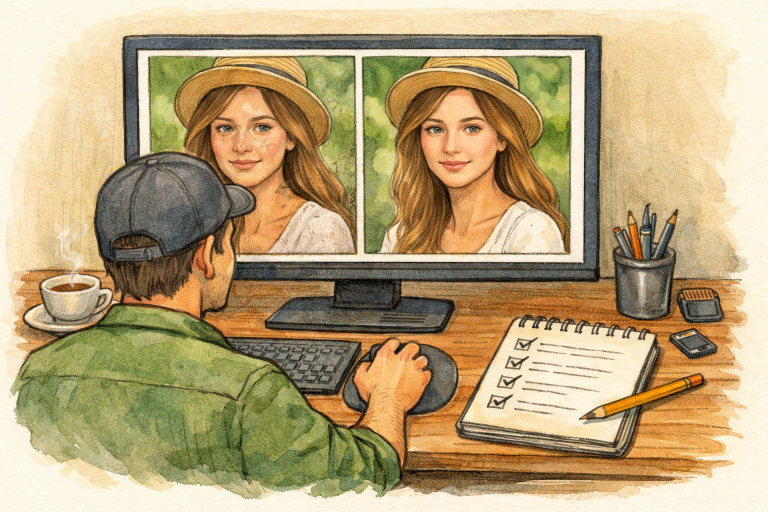
In today’s digital environment, crisp and professional images are at the heart of effective communication, marketing strategies, and impactful storytelling. The way images are edited can shape perceptions, tell more compelling stories, and guide viewers’ attention. Small changes, such as using a background remover, can significantly enhance the clarity and professionalism of visuals while streamlining the photo editing process. This guide outlines proven methods for achieving clean edits that enhance photo quality without diminishing authenticity or realism.
Clean image editing relies on a thoughtful balance between enhancement and authenticity. Over-editing or excessive filtering can detract from an image’s natural beauty and erode viewer trust, especially in fields like content marketing, journalism, and e-commerce. By adhering to best practices, editors can elevate image quality while ensuring visuals remain honest and engaging to their intended audiences.
Start with High-Quality Images
Every successful image edit starts with a strong foundation: a high-resolution, well-composed photograph. The editing process should enhance, not compensate for, the original image’s quality. Beginning with clear focus, proper exposure, and good lighting reduces the need for significant corrections, allowing the photo’s natural attributes to shine through. High-resolution files retain details and minimize artifacts, making them more adaptable for editing and publishing across platforms.
Non-Destructive Editing Techniques
Retaining the original image data is crucial in professional editing workflows. Non-destructive editing methods, such as using adjustment layers in Adobe Photoshop or working with virtual copies in Lightroom, allow editors to revisit, undo, or tweak any alterations without degrading the source image. This approach offers greater creative flexibility, lets editors iterate with confidence, and enables collaboration with team members or clients while safeguarding the original photo indefinitely. Wirecutter by The New York Times provides a helpful overview of non-destructive editing tools recommended for beginners and professionals alike.
Subtle Adjustments
The art of editing often lies in subtlety. Making gentle tweaks to exposure, contrast, and saturation can dramatically improve image clarity while still maintaining a natural appearance. Over-editing through aggressive sharpening, excessive blurring, or intense color grading can quickly lead to photos that feel artificial and disconnect from their audience. A restrained approach, applying only what is necessary, ensures images look polished yet believable, supporting the authenticity of the message you wish to convey.
Maintaining Natural Skin Textures
Portrait photography demands special consideration for skin texture. Removing blemishes or imperfections is part of the process, but over-smoothing can result in a plastic-like or cartoonish look. Using advanced tools like frequency separation allows editors to enhance skin while preserving pores and fine lines, maintaining a lifelike finish. For teams looking to refine their portrait edits, resources such as Digital Camera World offer easy-to-follow guides on balanced retouching methods.
Color Correction and White Balance
True-to-life colors are essential for realistic and engaging images. White balance corrections fix color casts caused by artificial lighting or camera settings, ensuring the subject appears as it does to the naked eye. Proper color correction also means adjusting hues and tones so all elements in a series maintain consistency. This is particularly important for product photography and branding, where color accuracy can influence buying decisions and viewer perception.
Removing Distracting Elements
Small distractions, such as blemishes, dust spots, or background clutter, can disrupt a viewer’s focus. Removing or minimizing these elements with tools like the healing brush or clone stamp tool streamlines the visual narrative, keeping attention squarely on the subject. While these techniques are powerful, moderation is key; removing too many elements or introducing artificial edits can make the image look unrealistic and undermine its believability.
Consistent Editing Style
Maintaining a cohesive editing style helps establish a recognizable visual identity and ensures a professional look across all digital and print assets. Consistency builds brand trust, supports portfolio development, and can streamline workflows when working with teams. Techniques include developing custom presets or workflows for color grading, exposure, and sharpening, and referring to a style guide when editing series for campaigns or website galleries.
Ethical Considerations
Upholding ethical standards is a non-negotiable part of image editing. Misleading alterations, such as changing body shapes, manipulating news images, or erasing important context, can erode viewer trust and damage reputations. Always consider the purpose of each edit, especially when images are used for news, scientific publications, or social media. For more insights on responsible editing in journalism and science, National Geographic offers in-depth coverage.
Applying these best practices helps preserve both the quality and credibility of visual content. Thoughtful, precise editing enhances an image’s overall appeal without compromising its authenticity, allowing viewers to connect with the subject more naturally. Professional editing techniques can strengthen brand perception, build audience trust, and improve communication across digital and print platforms. Whether used for portraits, product showcases, marketing campaigns, or editorial publications, these methods ensure images remain visually compelling, accurate, and effective in delivering their intended message and lasting impact.