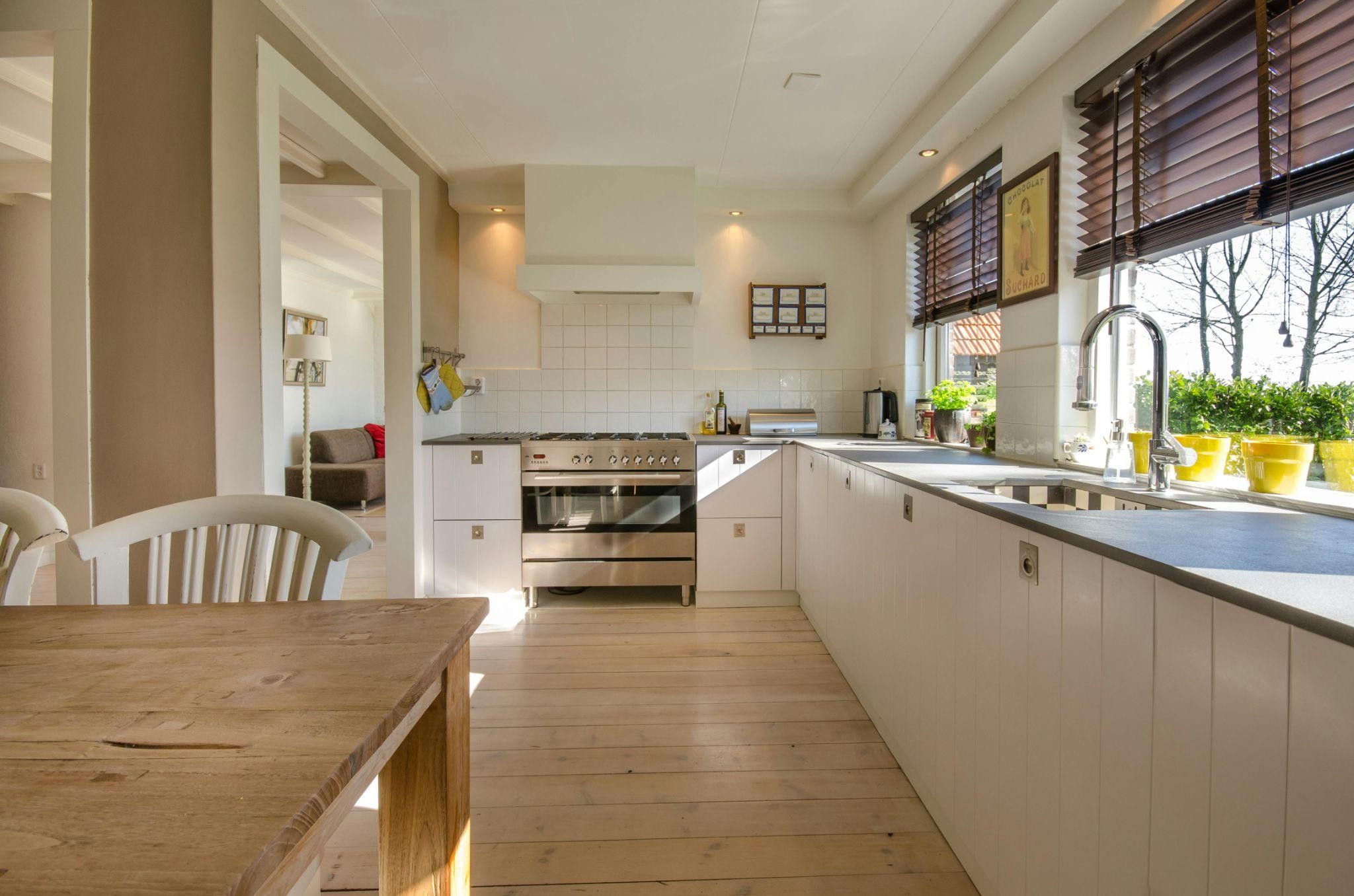
Slips, trips, and cracks in the floor are major hazards in your area and disrupt your business operations. Operating a commercial kitchen definitely involves issues that you simply can’t overlook. Keeping a kitchen environment that is safe, durable, and hygienic is essential for any restaurant or any establishment.
This article will give you a clearer picture of practical safety measures to prevent slip-and-crack incidents in commercial kitchens. Ultimately, you will be fully equipped to make your kitchen more secure and productive.
Why Kitchen Floors Are Vulnerable?
Commercial kitchens experience nonstop foot traffic, spills, and temperature fluctuations. Floors get slippery from water and mostly dropped items. Heavy equipment and the repetitive nature of cleaning processes cause cracks in the floor. Identifying problem areas allows you to take the necessary measures before injuries happen.
Benefits of Durable Flooring Solutions
Choosing the proper flooring has a significant impact. There is one method that is widely accepted in commercial kitchens lately, and that is epoxy flooring. It resists water, grease, and wear from heavy traffic, and it is easy to clean. Keep in mind that if you put it in areas with a high risk of accidents, it will help reduce slipping and cracking.
Regular Maintenance to Prevent Damage
Daily maintenance is key to a safe, durable floor.
These are the things you should do:
- Wipe off spills right away. Do not allow water to remain on the floor surface.
- Make use of proper cleaning equipment. Normal mops and cleaners will protect your floor.
- Check regularly. Examine for cracks or loose tiles, and repair them instantly.
- Protect areas with heavy pedestrian traffic. Place mats where staff walk most frequently to minimize wear.
Following these easy steps ensures people’s safety and extends the lifespan of the kitchen floor.
Choosing the Right Flooring Material
Whether flooring materials will last or not under the pressure of a commercial kitchen can vary greatly. Select material kinds that balance durability with safety and hygiene:
- Epoxy Flooring: Provides a slip-resistant, chemical-resistant surface. It’s perfect for the spots where the floor keeps getting wet or oily.
- Vinyl or Rubber: Offers some cushioning and slip resistance, but it might show wear sooner.
- Concrete with Sealants: Very tough and durable, but needs to be sealed regularly to keep away from cracking.
If you are thinking about the long run, epoxy is certainly one of the top picks. It’s smooth, unbroken surface, with no grout lines.
Encouraging Safety Practices Among Staff
Floor safety is not only about the materials; it also involves people’s behavior. Your employees should be trained to:
- Wear shoes that are non-slip.
- Avoid placing things on pathways.
- Tell the management immediately if there’s any damage to the floor.
Integrating top-notch flooring with safety measures can be a great way to reduce slips and accidents.
Wrapping Up
Avoiding slips and cracks starts with selecting the right type of flooring, such as epoxy, and maintaining it regularly. Make a wise decision now: ensure your kitchen floors are secure, long-lasting, and up to standard. Get in touch with Sealbond for expert guidance and installation services.