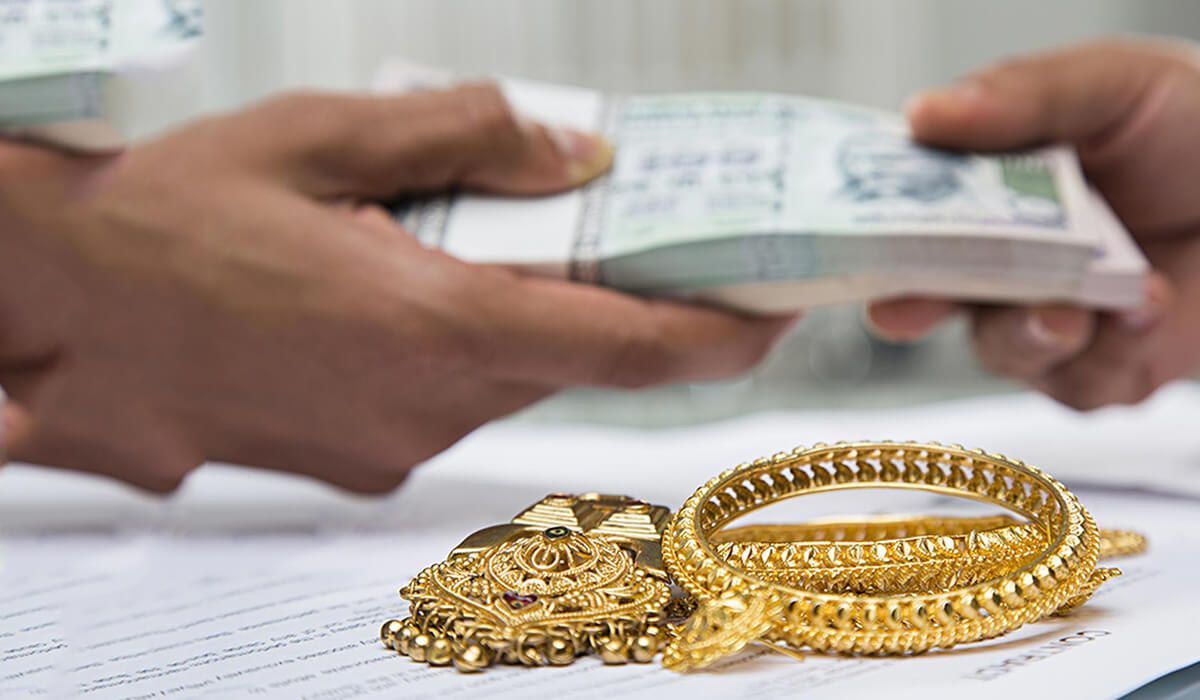
It usually begins with a drawer.
You open it looking for something completely unrelated—maybe a watch, maybe a receipt—and suddenly you’re staring at a pile of jewelry you haven’t touched in years.
A broken necklace. A ring from a past chapter of life. One lonely earring that clearly lost its partner sometime during the last decade.
You hold the pile in your hand and think: Should I just sell this?
That’s when the phrase pops up everywhere online: cash for gold.
Sounds easy. Send the jewelry, get paid.
But if you’ve never done it before, you might wonder: What actually happens once I hand this stuff over?
Good question.
Let’s walk through it.
Step One: The Treasure Hunt in Your Own House
Before anything else, sellers usually start by gathering gold items from around the house.
And this part can be surprisingly productive.
Jewelry boxes are the obvious place. But don’t forget dresser drawers, old keepsake containers, travel pouches, and that random tin where small valuables somehow ended up.
The gold people sell often includes:
- Broken chains
- Outdated rings
- Single earrings
- Old bracelets
- Scrap jewelry pieces
- Gold coins or watch components
Here’s the important thing: condition doesn’t matter much.
Buyers evaluate gold based on metal content, not whether the item looks good in a jewelry store display.
That snapped bracelet clasp? Still gold.
Next Comes the Evaluation
Once you decide to move forward, the gold needs to be evaluated.
Some sellers visit physical storefronts, while others use mail-in services designed to make the process easier. Reputable providers that specialize in cash for gold transactions often supply secure shipping kits so items can be sent safely for review.
And yes—people sometimes get nervous at this step.
Sending valuables through the mail feels strange the first time. But professional services usually include insured shipping and tracking to keep everything secure from start to finish.
Which helps a lot.
The Science Part: Testing the Gold
Once the gold arrives, experts begin figuring out exactly what you’ve sent.
Two things matter here:
Purity and weight.
Gold purity is measured in karats. You’ve probably seen stamps like 10K, 14K, or 18K inside rings or on clasps.
Those numbers indicate how much real gold is present in the piece. For example:
- 24K is nearly pure gold
- 18K contains 75% gold
- 14K contains about 58.5% gold
Testing methods—such as electronic analyzers or acid tests—confirm the metal composition before any pricing is calculated.
Then the items are weighed.
Simple idea. Precise process.
The Price Isn’t Random
Here’s where some sellers get curious.
“How do they actually decide what my gold is worth?”
The answer is tied to the spot price of gold, which reflects the current global market value of the metal.
Gold prices change constantly. Economic shifts, investor demand, and global supply all influence the number.
According to the U.S. Geological Survey (USGS), gold remains one of the most actively traded precious metals worldwide, meaning market prices move regularly.
So the value offered for gold today may differ from the value offered next week.
It’s not guesswork.
It’s market math.
Then Comes the Offer
Once purity and weight are confirmed, the buyer calculates the value and presents an offer.
At this point, sellers usually have a choice.
Accept the payment—or decline and have the items returned.
A trustworthy buyer gives sellers time to review the offer without pressure. The goal is transparency, not urgency.
If the offer is accepted, payment is typically processed quickly through secure methods like checks or bank transfers.
Why People Choose Cash for Gold
Most gold items spend years sitting unused.
Old jewelry styles change. Relationships change. Life moves forward.
But the gold itself? That value stays.
Using cash for gold services allows people to turn forgotten items into something practical—extra savings, bill payments, or even funding for something new.
And once you understand how the process works, the whole experience feels far less mysterious.
Just a small pile of metal… quietly turned into money.