Introduction
Security screening has become an essential part of managing airports, seaports, railway stations, border checkpoints, and other high-security locations. The movement of large numbers of passengers, vehicles, and cargo creates a need for inspection technologies that can identify potential threats without unnecessarily disrupting operations. Modern screening infrastructure combines advanced imaging, automated inspection, and intelligent monitoring to help security teams make informed decisions.
Two technologies that support these requirements are advanced passenger screening equipment and large-scale cargo inspection solutions. Although they serve different purposes, both contribute to a more organised and effective security environment.
Improving Passenger Screening With Advanced Imaging
Busy public facilities need screening procedures that balance security requirements with passenger convenience. Conventional manual checks can be time-consuming and may not always provide consistent results, particularly during periods of heavy footfall.
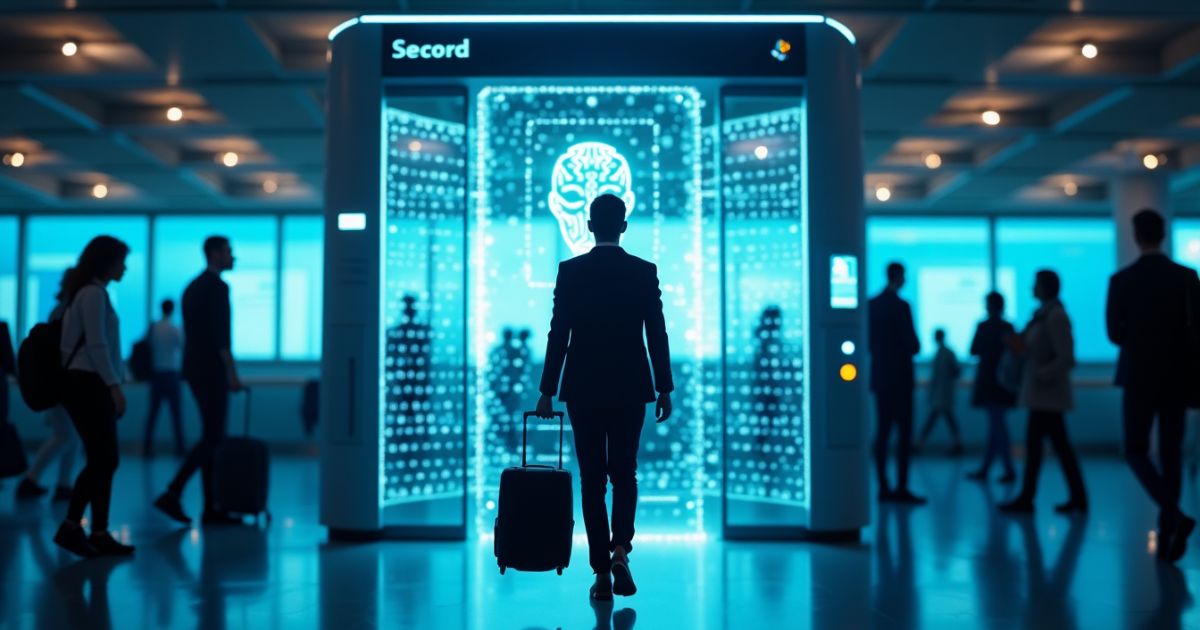
A millimeter wave body scanner uses non-ionising millimeter-wave technology to screen individuals for concealed objects beneath clothing. Depending on the equipment and its configuration, the technology can generate an image or an automated alert for security personnel to review. It is designed to support screening while reducing the need for routine physical searches.
Where Passenger Screening Technology Is Useful
Advanced passenger screening equipment can be considered for several environments:
- Airports: Helps security teams screen passengers at busy terminals.
- Railway stations: Supports screening at selected high-security entry points.
- Government facilities: Adds an inspection layer at controlled-access locations.
- Public venues: Can support security arrangements at large events and sensitive facilities.
The choice of equipment should consider passenger volume, available space, privacy requirements, applicable regulations, and staff training. Proper procedures are also necessary to ensure that screening is conducted consistently and respectfully.
Enhancing Cargo Inspection at Strategic Locations
Cargo security presents a different challenge because containers can carry large quantities of goods and may be difficult to inspect manually. Opening every container for physical examination can consume considerable time and resources. It can also interrupt supply-chain operations.
A gantry container scanner is designed to inspect large cargo containers using high-energy X-ray imaging technology. The scanning equipment is typically installed on a gantry structure that moves around or across the inspection area, depending on the system design. It helps operators examine container contents without having to unload all the cargo first.
Supporting Efficient Cargo Examination
Cargo scanning technology can assist customs authorities, port operators, and logistics organisations in identifying suspicious or inconsistent cargo patterns. The resulting images can be reviewed by trained personnel to determine whether further inspection is necessary.
Common applications include:
- Screening import and export containers at seaports.
- Supporting customs checks at inland container depots.
- Inspecting cargo at selected border facilities.
- Improving inspection workflows at large logistics hubs.
- Helping security teams prioritise containers for additional examination.
Scanning does not replace every physical inspection. Image interpretation, risk assessment, regulatory procedures, and follow-up checks remain important parts of a complete cargo security process.
Top Companies in Security Screening and Inspection Technology
Several companies operate in the security screening and inspection technology sector. Their product portfolios and areas of specialisation vary.
- Smiths Detection: Provides screening and detection technologies for aviation, ports, borders, and other security environments.
- Vehant: Develops security screening and intelligent surveillance solutions for applications that require modern inspection and monitoring infrastructure.
- Rapiscan Systems: Offers security inspection technologies for baggage, cargo, vehicles, and other screening applications.
- Nuctech: Provides inspection equipment and security solutions for transportation, customs, and public security environments.
- Leidos: Works across security technology and detection systems for transportation and government applications.
Organisations evaluating suppliers should compare technical specifications, regulatory compliance, installation requirements, service support, training, and total operating costs rather than relying only on product descriptions.
Important Factors When Selecting Screening Equipment
Selecting suitable inspection technology requires a clear understanding of the location and its security objectives. Passenger screening and cargo inspection involve different operational conditions, so one solution cannot automatically meet every requirement.
Before investing, organisations should assess:
- Inspection capacity: The equipment should match expected passenger or cargo volumes.
- Detection requirements: Capabilities should align with the specific risks and inspection objectives.
- Operational integration: The solution should fit existing security procedures and infrastructure.
- Regulatory compliance: Equipment and operating practices must meet applicable standards.
- Maintenance and training: Reliable performance depends on regular servicing and skilled operators.
- Privacy and safety: Screening procedures should follow relevant safety, privacy, and data-handling requirements.
A detailed assessment helps organisations avoid purchasing equipment that does not suit their actual operating environment.
Conclusion
Modern security environments require inspection technologies that can support both passenger screening and cargo examination. Advanced imaging can help security personnel identify potential concealed objects, while large-scale scanning equipment can improve the examination of containerised goods.
When selected according to operational needs and supported by trained personnel, these technologies can strengthen inspection procedures across critical facilities. Working with experienced providers such as Vehant can help organisations evaluate suitable security infrastructure and plan for dependable, long-term operations.