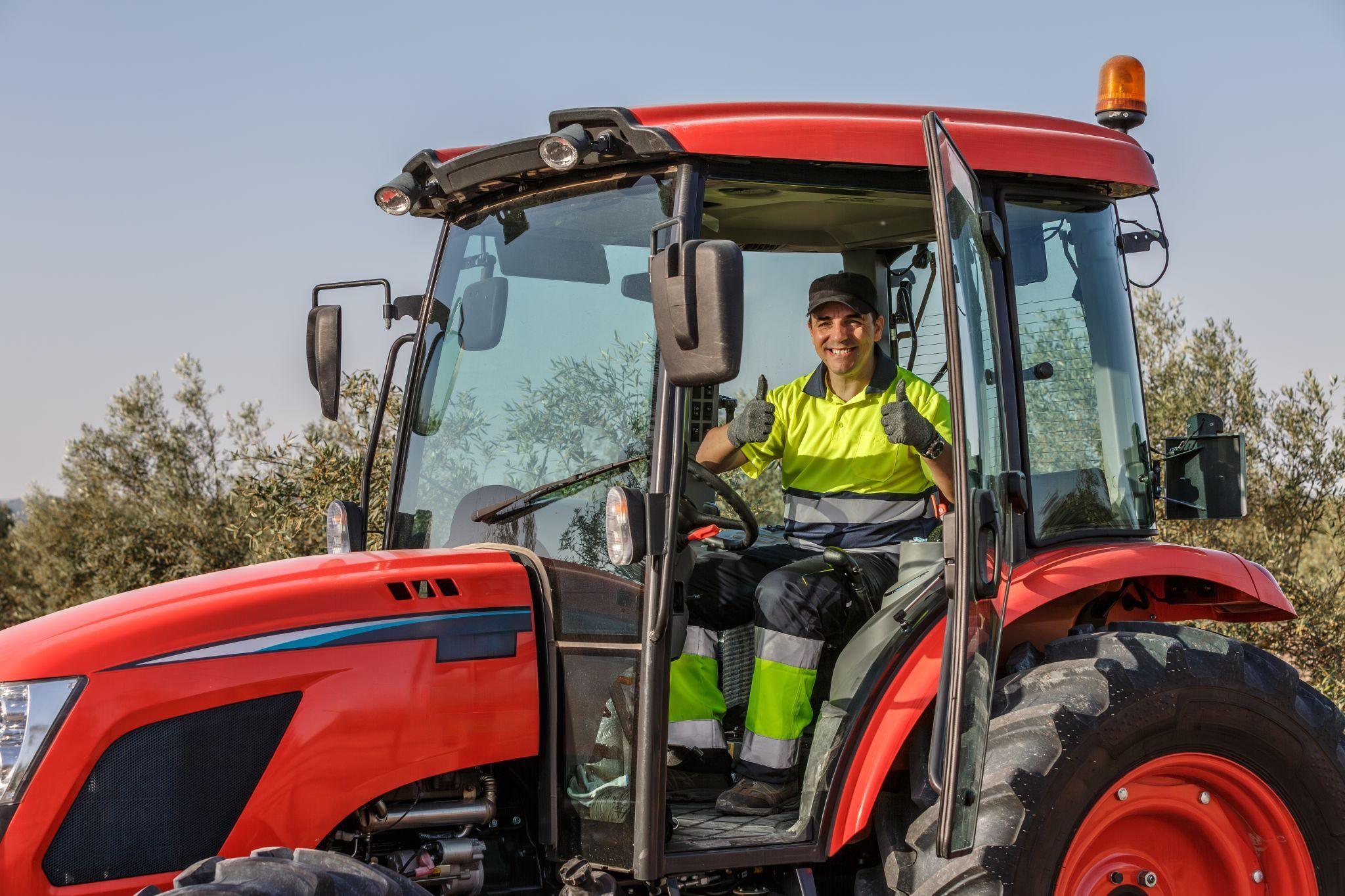
When most people think of tractors, agriculture is the first industry that comes to mind. Today, however, tractors play a far broader role across construction sites, industrial facilities, and large-scale infrastructure projects. Their evolution from basic farm equipment into powerful, technology-driven machines has reshaped how heavy work gets done.
Modern tractors are equipped with precision controls, advanced hydraulics, GPS guidance, and a wide range of attachments that allow them to handle tasks once reserved for multiple specialized machines. In this blog, we explore the top uses of tractors across agriculture, construction, and industrial applications, highlighting how their versatility improves operational efficiency, reduces costs, and delivers measurable productivity gains.
Understanding Tractor Types and Their Primary Applications
Before we dive into specific jobs, you need to know which tractor does what. The diversity here is striking, each category serves distinct purposes across different sectors, and understanding these applications of tractors helps you make smarter equipment decisions. Here’s something worth noting: the global tractor market hit USD 60.08 billion in 2024 and analysts expect it to climb to USD 88.95 billion by 2030. That’s a 6.5% CAGR, reflecting just how essential these machines have become.
These smaller units deliver 20-40 horsepower, perfect for homesteads and hobby operations. You’ll appreciate their maneuverability in tight spots. Mowing, light grading, hauling small loads? They handle it all. What they lack in raw power, they compensate with versatility and accessibility.
Utility tractors pump out 40-100 horsepower and genuinely earn their “utility” name. They’re agricultural one day, construction the next. Swap attachments and you’ve essentially got a different machine. Front-end loaders, rotary cutters, whatever your job requires, utility tractors adapt.
High clearance. Adjustable wheel spacing. Precision technology baked in. That’s what defines row crop tractors. Serious operations increasingly turn to new john deere tractors for sale through regional dealers, covering West Texas and New Mexico with cutting-edge precision ag features. We’re talking GPS guidance, variable rate tech, farming that runs on data instead of guesswork.
Built like tanks because they work like tanks. Construction sites, mines, forestry operations, these environments destroy ordinary equipment. Industrial tractors feature reinforced everything: frames, hydraulics, tires. Where standard ag tractors tap out, industrial models keep working.
Comprehensive Uses of Tractors in Agriculture
Agriculture remains tractors’ home turf, and for good reason. Tractors in agriculture have fundamentally changed how we grow food, touching every phase from soil prep to harvest.
Primary Farming Operations
Soil preparation starts everything. Plowing flips soil, burying last season’s residue while knocking back weeds. Tilling breaks things down further, crushing clods into workable seedbeds. Harrowing refines the surface even more. Then comes planting, where GPS-guided implements drop seeds and fertilizer with inch-level precision. Miss these foundational steps and your whole season suffers.
Harvesting and Post-Harvest Activities
Months of work come down to harvest efficiency. Tractors pull harvesting equipment and power PTO-driven implements that gather your crops. They bale hay into transportable units. They haul literal tons of grain, produce, or forage from field to storage. This phase determines whether you’re profitable or just breaking even.
Livestock and Dairy Farm Applications
Daily livestock care is tractor-intensive. Mixing and distributing feed across pastures? Tractor work. Managing manure and converting it into field fertilizer? Tractors again. Maintaining pastures, clearing fence lines, building infrastructure, livestock operations simply don’t function efficiently without them. Dairy farms especially depend on tractors for maintaining consistent daily routines.
Modern Precision Agriculture Uses
The technology here is genuinely impressive. Autonomous tractors with 360-degree cameras and AI-powered decision systems already exist. Variable rate technology applies inputs precisely where soil conditions demand them, using GPS-mapped data. Every field pass collects information feeding back into management software, creating continuous improvement loops. This isn’t farming, it’s data science with plants.
Tractors in Construction: Beyond Agricultural Boundaries
Construction discovered what farmers always knew, tractors get work done. Tractors in construction handle earthmoving, material logistics, and site prep with impressive versatility. Market data shows used 100+ HP tractors experiencing -8.51% yearly value changes alongside +10.84% inventory increases. For construction firms, that creates real opportunities to acquire serious horsepower at better price points.
Earthmoving and Excavation Projects
Before building anything, you’re moving dirt. Lots of it. Tractors clear vegetation, yank stumps, strip topsoil for later replacement. They grade sites to exact elevations, creating level pads or drainage slopes. Trenching attachments carve channels for utilities. Then backfilling closes everything up around foundations and underground infrastructure. Site prep is tractor territory through and through.
Material Handling and Transportation
Construction materials are heavy and awkward. Front-end loader-equipped tractors solve this constantly. Loading aggregate into trucks, relocating pallets, moving soil and debris around active sites, it’s continuous work. Add pallet forks and you’ve got a rough-terrain forklift. Some contractors even mix concrete and mortar with tractor-mounted attachments on smaller jobs.
Road Construction and Maintenance
Rural road work leans heavily on tractors. Roadbed preparation, shoulder maintenance, vegetation control, tractors handle all of it. Municipal crews use them year-round for pothole repair and shoulder grading. One machine, multiple seasonal applications. That versatility beats maintaining separate specialized vehicles any day.
Industrial Tractor Uses Across Manufacturing and Commercial Sectors
Industrial tractor uses extend into settings you might not expect. Warehouses, timber operations, municipal services, tractors solve problems across remarkably diverse commercial environments.
Warehousing and Logistics Operations
Large distribution centers use industrial tractors for indoor material movement. Spotting trailers at loading docks with precision? That’s tractor work. Yard management gets simpler when you can quickly reposition equipment and materials. Compared to forklifts, tractors work better in facilities with high ceilings and extended aisles.
Logging and Forestry Industry
Forestry runs on tractors. They skid felled logs from cutting sites to collection areas. They maintain forest roads that would wash out otherwise. Brush clearing improves access and reduces wildfire risk. Timber yards organize and move logs using tractors, creating processing efficiency that directly impacts profitability.
Municipal and Government Services
City parks cover acres of public land requiring constant maintenance. Sports fields need precise grading and rolling. Airports deploy compact tractors where full-size equipment creates safety issues. Military bases maintain vast properties with tractor fleets handling landscape work, infrastructure projects, and everything between.
Modern Innovations Transforming Tractor Applications
Current applications are impressive, sure. But innovations coming online now? They’re expanding capabilities while slashing environmental impacts and operating costs.
Electric and Hybrid Tractors
Battery power eliminates diesel emissions completely. That makes tractors viable indoors and in environmentally sensitive zones. They run quieter, a huge advantage near residential areas. Electricity costs less than diesel, dropping operational expenses. Yes, current electric offerings remain limited compared to conventional options, but major manufacturers are racing to expand their electric lineups.
Autonomous and Smart Tractors
Self-driving technology handles repetitive tasks with maintained precision while the operator focuses elsewhere. Remote operation lets one person oversee multiple machines simultaneously. The autonomous farm equipment market is climbing fast, projected to reach USD 128.42 billion by 2034. Integration with management software creates information-rich environments where you make decisions based on real-time data instead of gut feelings.
Essential Tractor Attachments Expanding Functionality
Technology advances are exciting, but attachments? That’s where versatility really lives. The right attachments transform one tractor into dozens of specialized tools.
Front-End Loader Applications
Front-end loaders might be the single most versatile attachment available. Different bucket designs handle everything from loose grain to packed clay. Quick-attach systems let you swap between buckets, pallet forks, and specialty implements in minutes. One tractor handles morning feeding, afternoon material work, and evening grading. That’s flexibility you can measure in dollars saved.
Power Take-Off (PTO) Implements
PTO shafts power rotating implements without requiring separate engines. Rotary cutters demolish brush and heavy vegetation regular mowers can’t touch. Post hole diggers excavate clean holes for fencing. Wood chippers convert brush into valuable mulch. Grain augers and conveyors automate crop movement that would otherwise require tedious manual labor.
Final Thoughts on Multi-Industry Tractor Applications
Tractors have jumped far beyond their farming origins into truly indispensable tools across construction, industrial operations, and specialized services. Grasping the complete range of tractor capabilities, empowers you to select equipment genuinely matching your needs.
Here’s the real key: match horsepower, attachments, and features to your actual applications instead of defaulting to “buy the biggest one.” Whether you’re farming, managing construction crews, or maintaining public properties, there’s a tractor configuration ready to boost your productivity and profits. Smart equipment buyers evaluate their real-world tasks first, then choose machines handling multiple roles throughout the entire year.
Common Questions About Tractor Applications
Can the same tractor be used for both farming and construction work?
Absolutely, utility tractors cross these boundaries beautifully. Select appropriate attachments, possibly swap tire types, and mid-range tractors handle both environments effectively. Plenty of rural contractors run successful dual-purpose operations.
What horsepower tractor do I need for 50 acres?
General maintenance and light work? 40-60 HP handles it fine. Heavy tillage or serious hay operations demand 75-100+ HP. Honestly, your specific task list matters more than raw acreage when determining power requirements.
Are electric tractors powerful enough for heavy agricultural work?
Current electric models handle light to medium-duty tasks well but can’t sustain heavy work like diesel tractors. Yet. Battery technology improves rapidly, narrowing this gap each season.