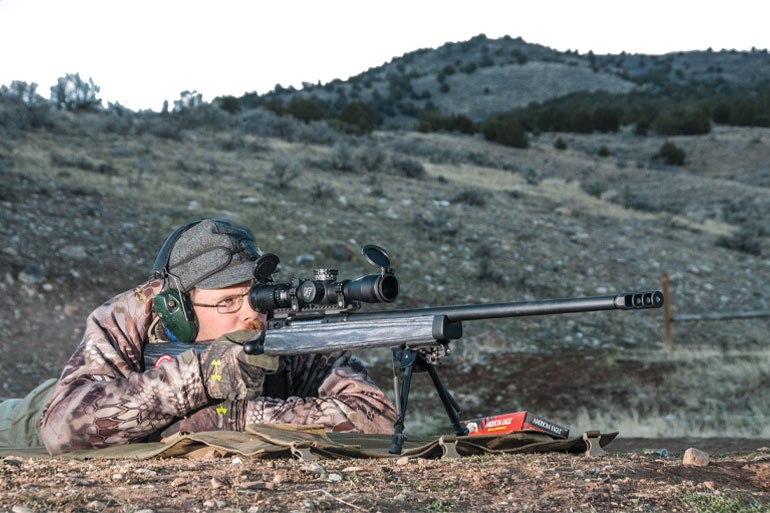
Improving accuracy at the shooting range is a goal shared by beginners and experienced shooters alike. Consistent precision comes from a mix of proper technique, quality equipment, and smart practice habits. By focusing on fundamentals and using the right tools—especially effective shooting targets—you can make measurable improvements every time you step up to the firing line.
Master the Fundamentals First
Accuracy starts with the basics. Grip, stance, sight alignment, and trigger control form the foundation of every accurate shot. A firm, consistent grip helps manage recoil and keeps the firearm stable through each trigger pull. Your stance should feel balanced and natural, allowing you to absorb recoil without overcorrecting. Sight alignment and sight picture are equally critical—ensure the front sight is centered and level with the rear sight before breaking the shot. Finally, smooth trigger control prevents jerking, which is one of the most common causes of missed shots.
Choose the Right Shooting Targets
Not all targets are created equal. Selecting the right shooting targets can dramatically improve training efficiency. High-contrast bullseye targets help shooters focus on sight alignment and precise point of aim. Grid or silhouette targets are ideal for diagnosing shot placement and identifying patterns like flinching or pulling shots left or right. Reactive targets, such as splatter or steel targets, provide instant visual or audible feedback, reinforcing good shots and keeping practice engaging.
Start Close and Build Distance
Many shooters make the mistake of starting too far from the target. Begin at a close distance where accuracy is easier to achieve, then gradually move back as your groupings tighten. This builds confidence and reinforces proper mechanics before introducing the added challenge of distance. Consistent grouping at shorter ranges is a clear indicator that fundamentals are solid.
Use Dry Fire Practice
Dry fire practice—training without live ammunition—is one of the most effective and affordable ways to improve accuracy. It allows you to focus entirely on trigger control and sight alignment without recoil or noise distractions. Use a safe setup and pair dry fire with a wall target or dedicated dry fire shooting targets to simulate live practice. Even a few minutes a day can yield noticeable improvements.
Track Your Progress
Accuracy improves faster when progress is measured. Keep a simple range log noting distance, target type, firearm, and results. Photograph your targets or save them for comparison. Over time, patterns will emerge that highlight strengths and areas needing improvement. This data-driven approach keeps practice purposeful instead of repetitive.
Upgrade Gear Thoughtfully
While skill matters more than equipment, certain upgrades can help. Quality sights with better visibility, a consistent trigger, and proper eye and ear protection all contribute to improved performance. Ammunition consistency is also important—using the same brand and load during practice reduces variables that can affect accuracy.
Focus on Quality Over Quantity
More rounds do not always mean better results. Slow, deliberate shooting with clear intent is far more beneficial than rapid, unfocused fire. Take breaks, reset your stance, and evaluate each shot. Purposeful practice reduces fatigue and reinforces good habits.
Stay Mentally Engaged
Accuracy is as much mental as physical. Control breathing, manage stress, and maintain focus on each shot. Visualization techniques—imagining a perfect sight picture and trigger press—can sharpen concentration and consistency.
By combining strong fundamentals, smart target selection, and intentional practice, shooters can steadily improve accuracy at the range. The right shooting targets, paired with disciplined technique and thoughtful progression, turn every session into a step toward tighter groupings and greater confidence.